
Commercial Pools in Tucson, AZ
Discover the Premier Commercial Pool specialists in Tucson, AZ for all your needs.

Our Services
Are you looking for a top-rated Commercial Pool expert in Tucson, AZ?
Let Us Build Your Commercial Pool
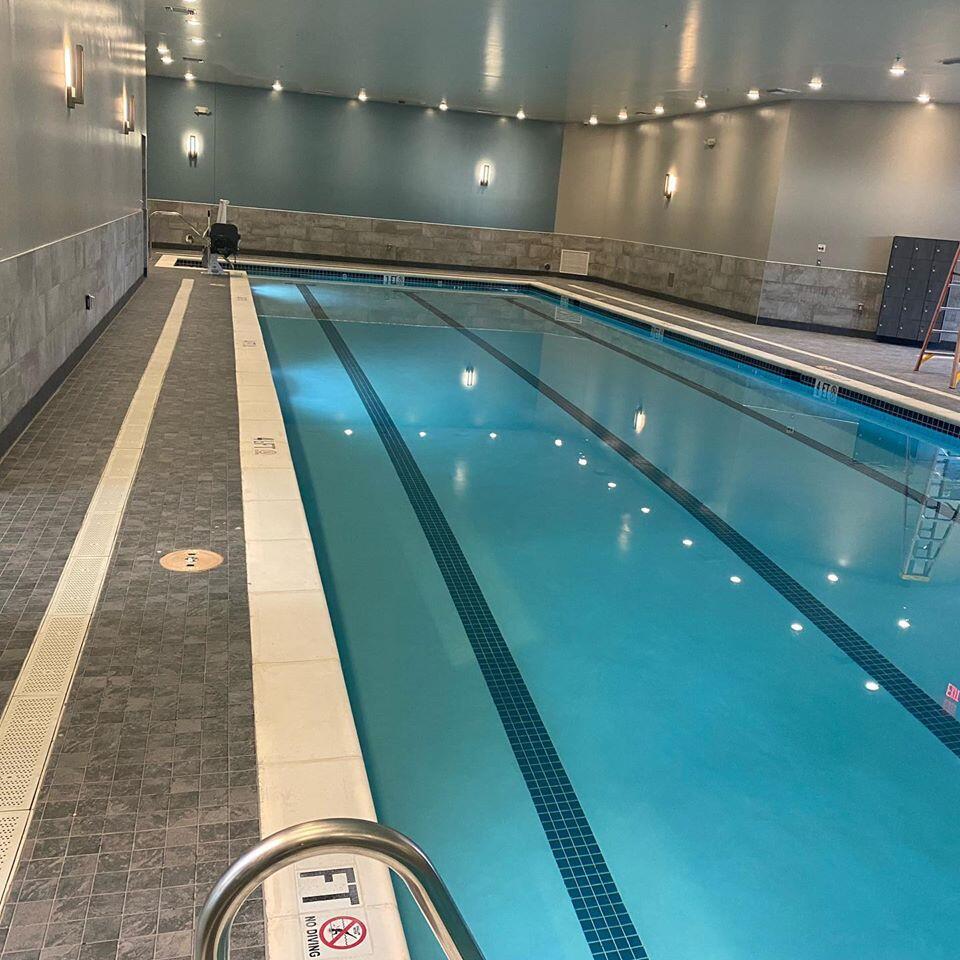
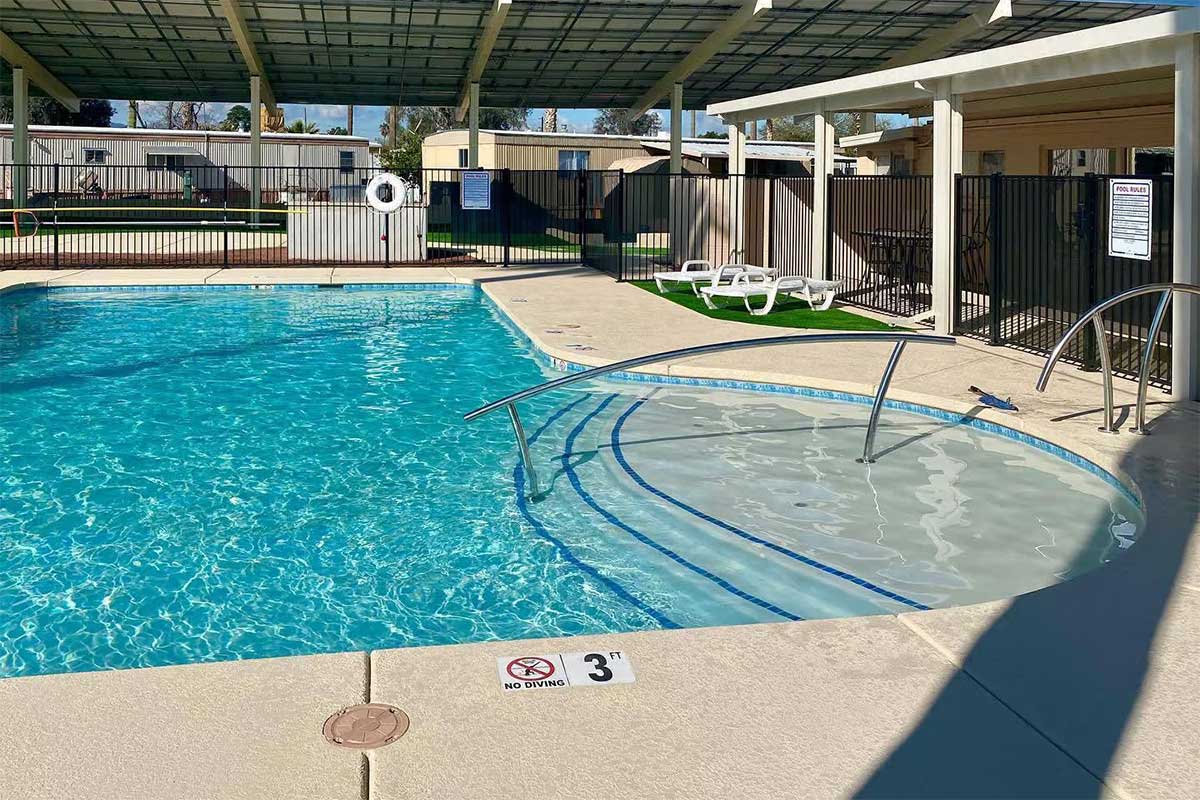
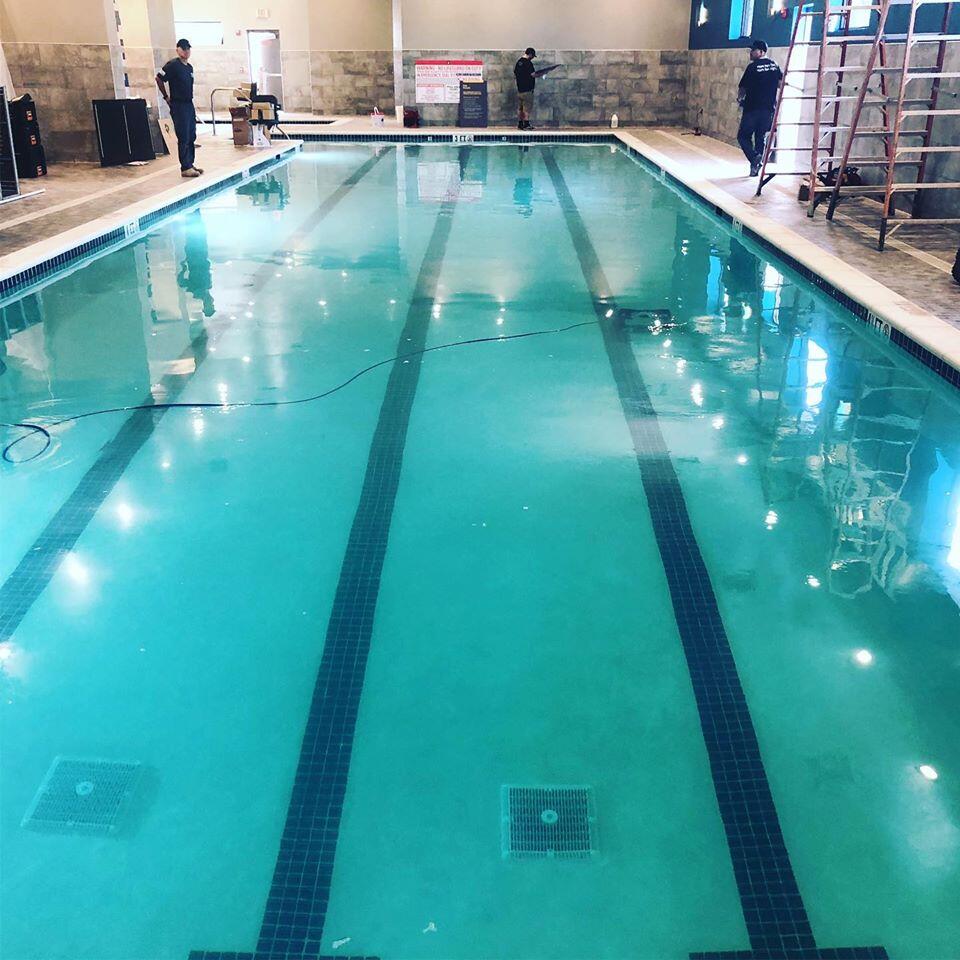
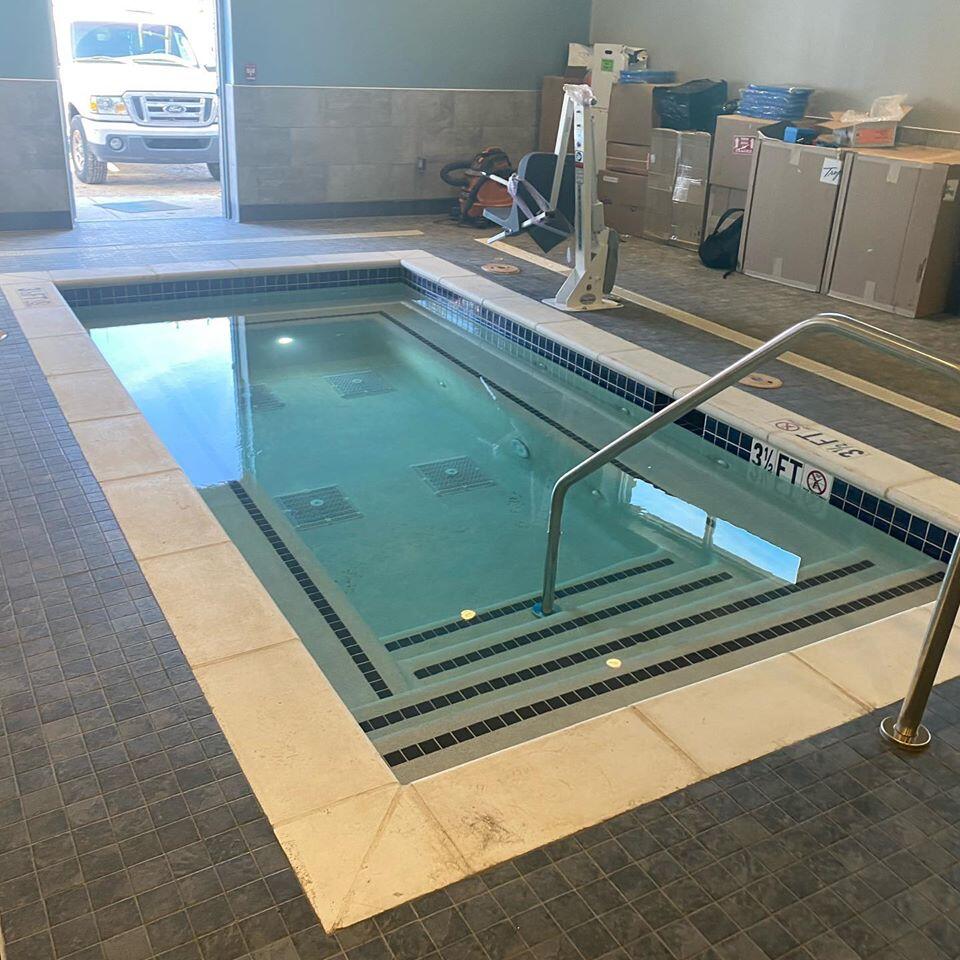
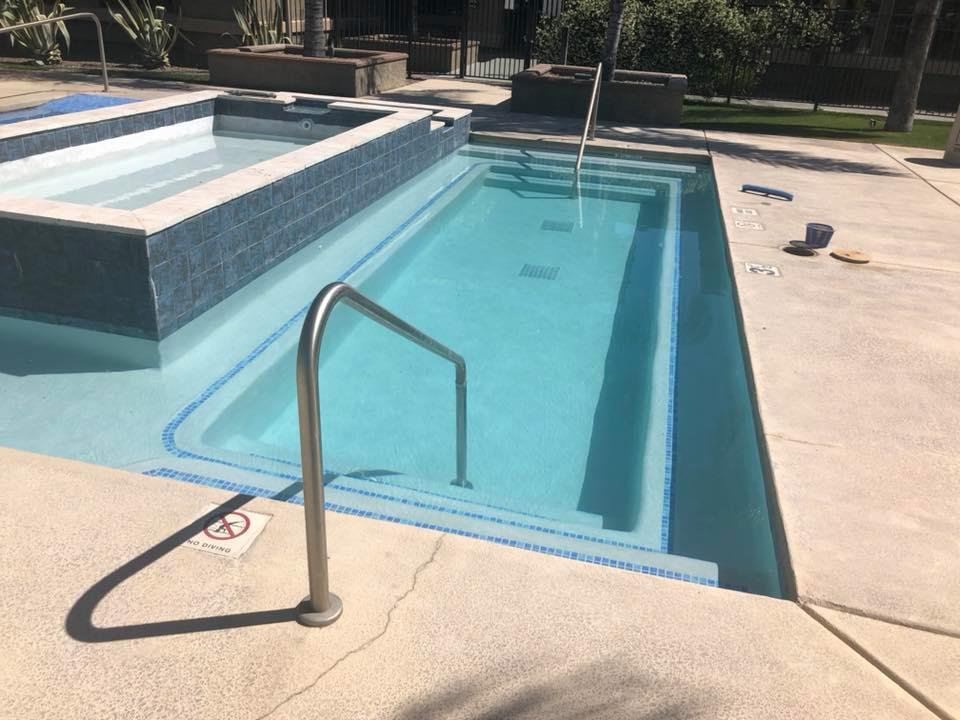
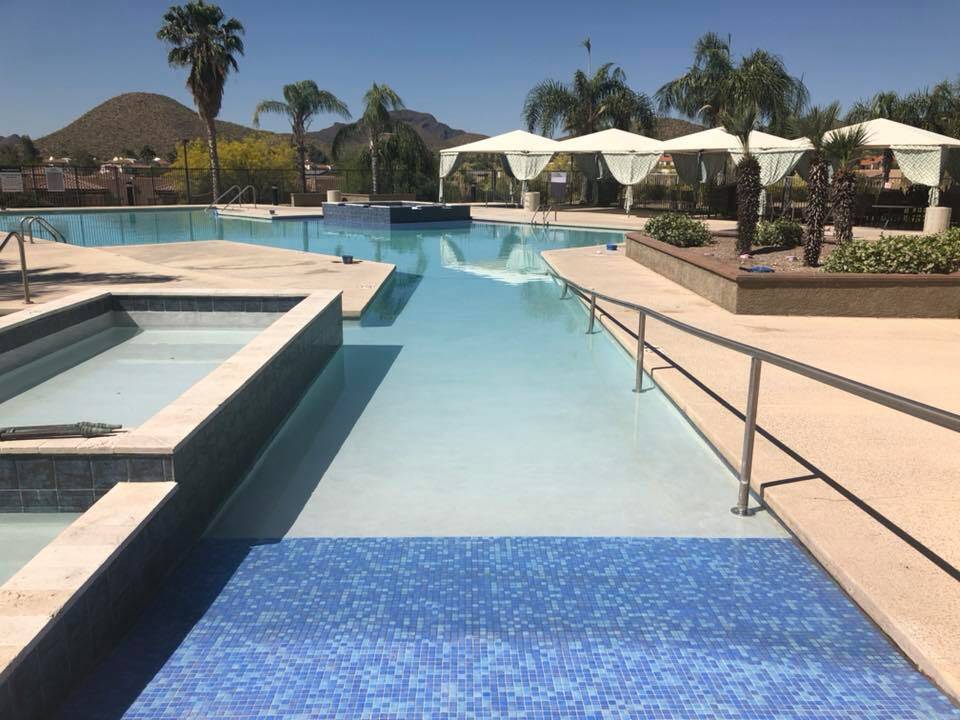
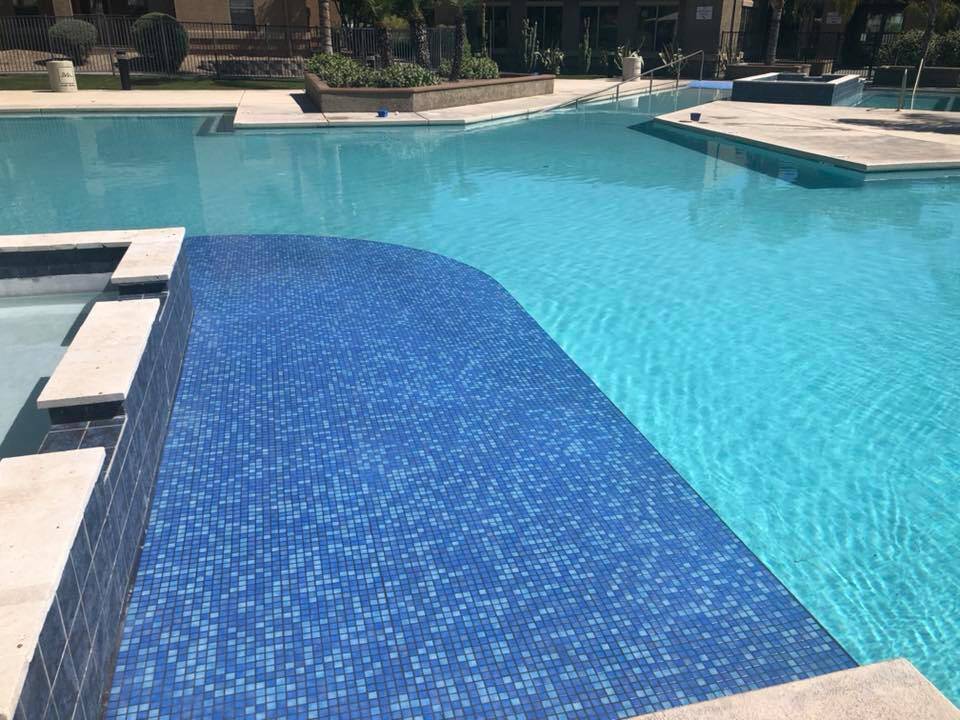
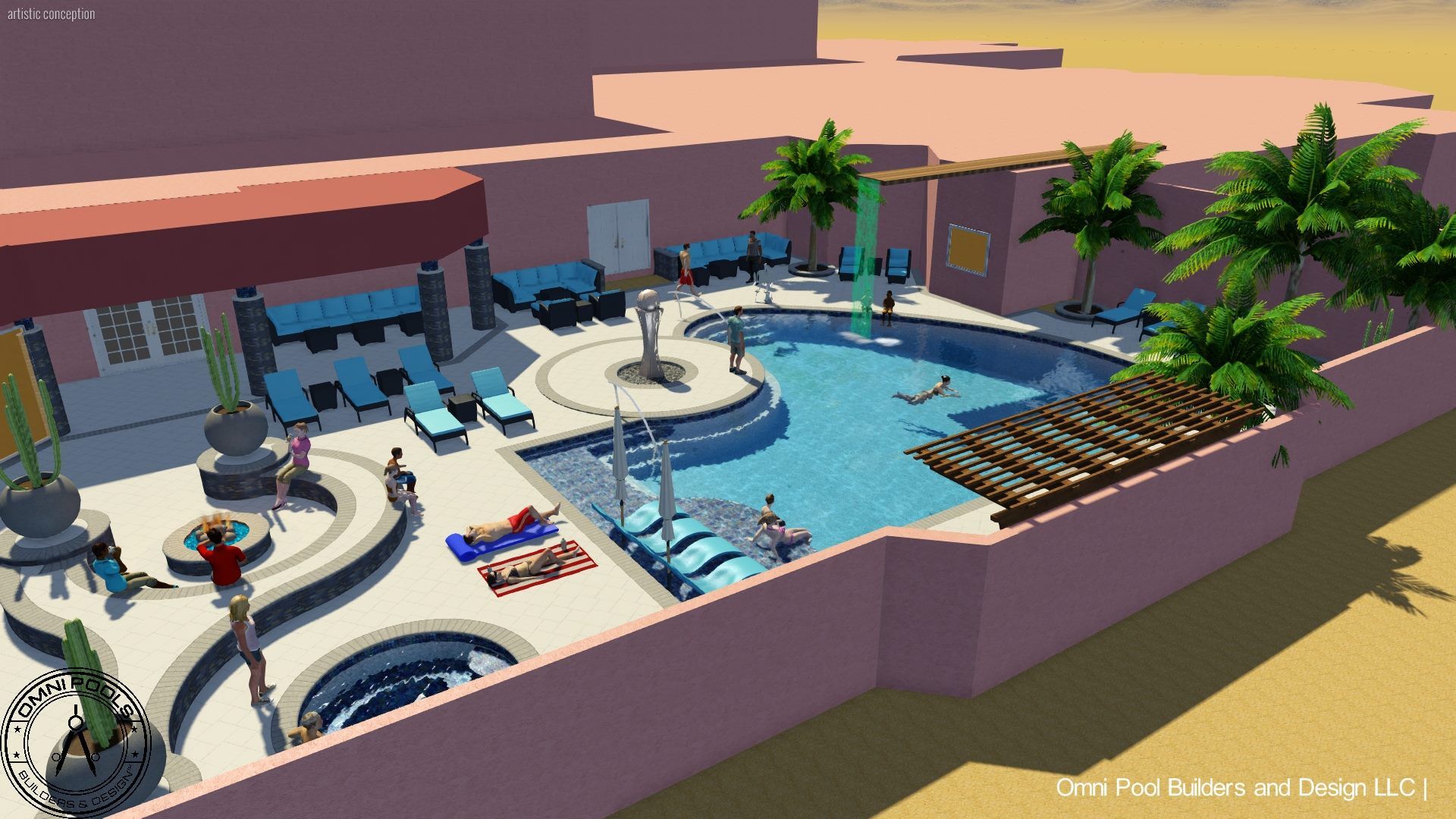
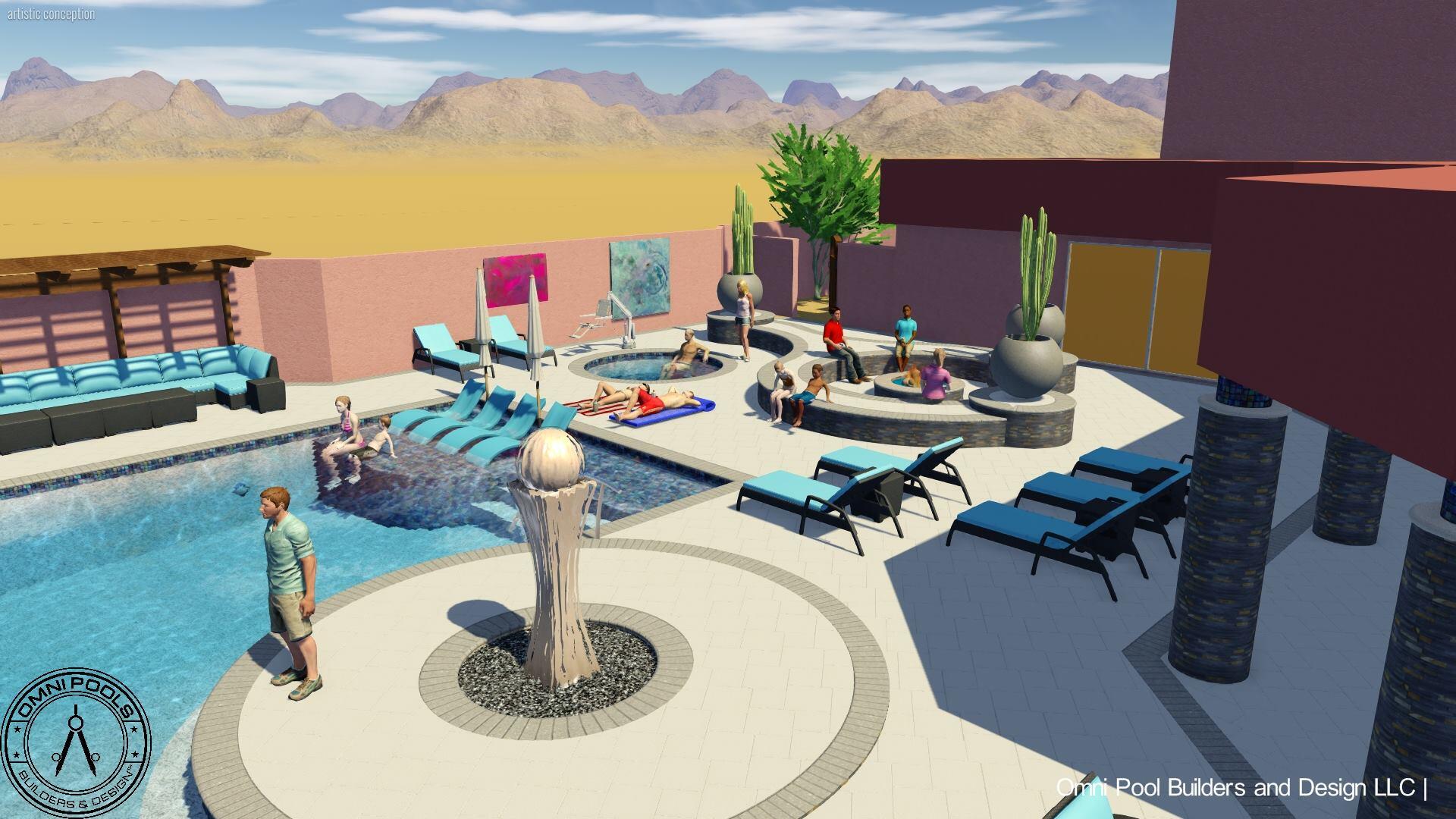
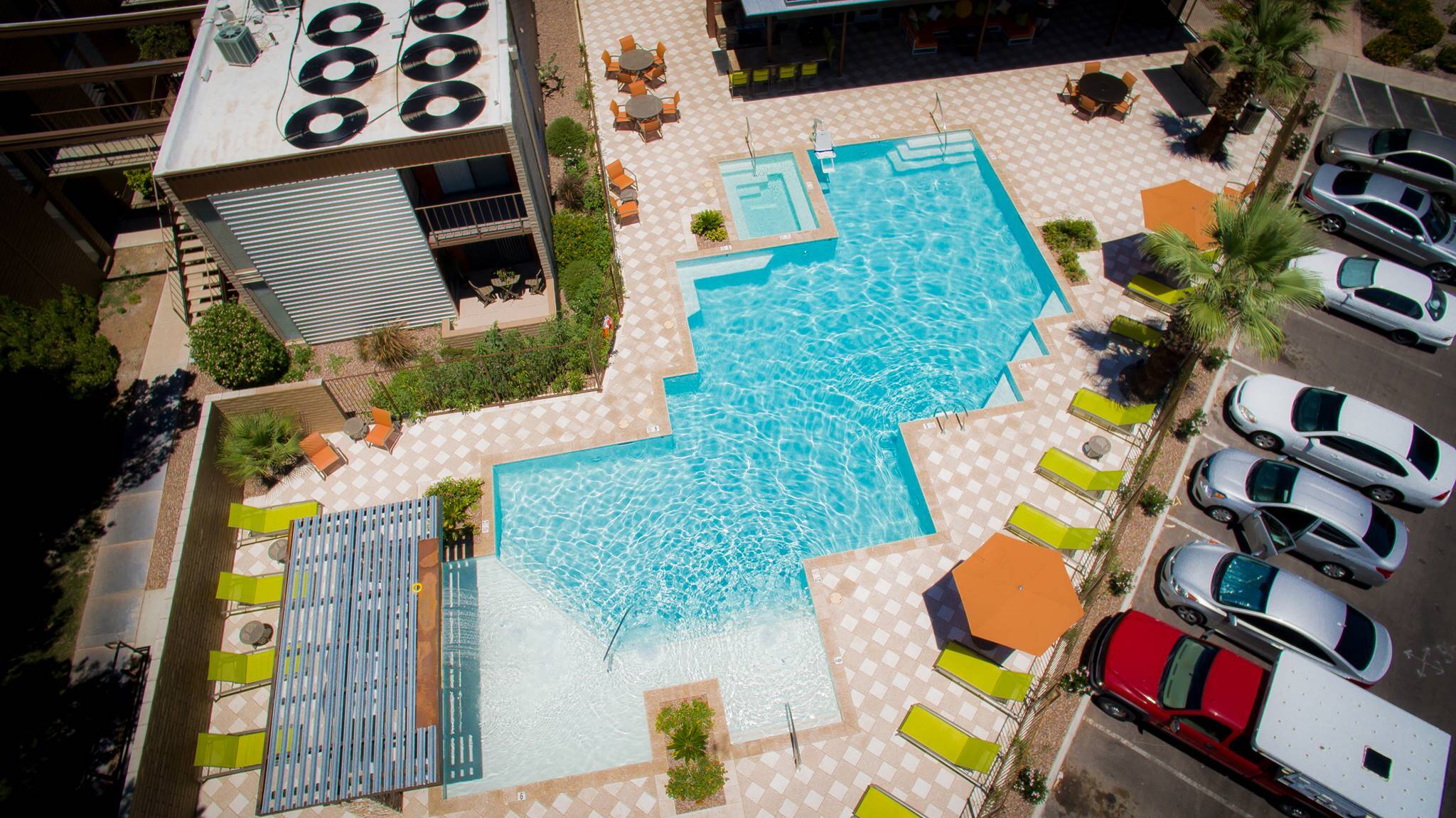
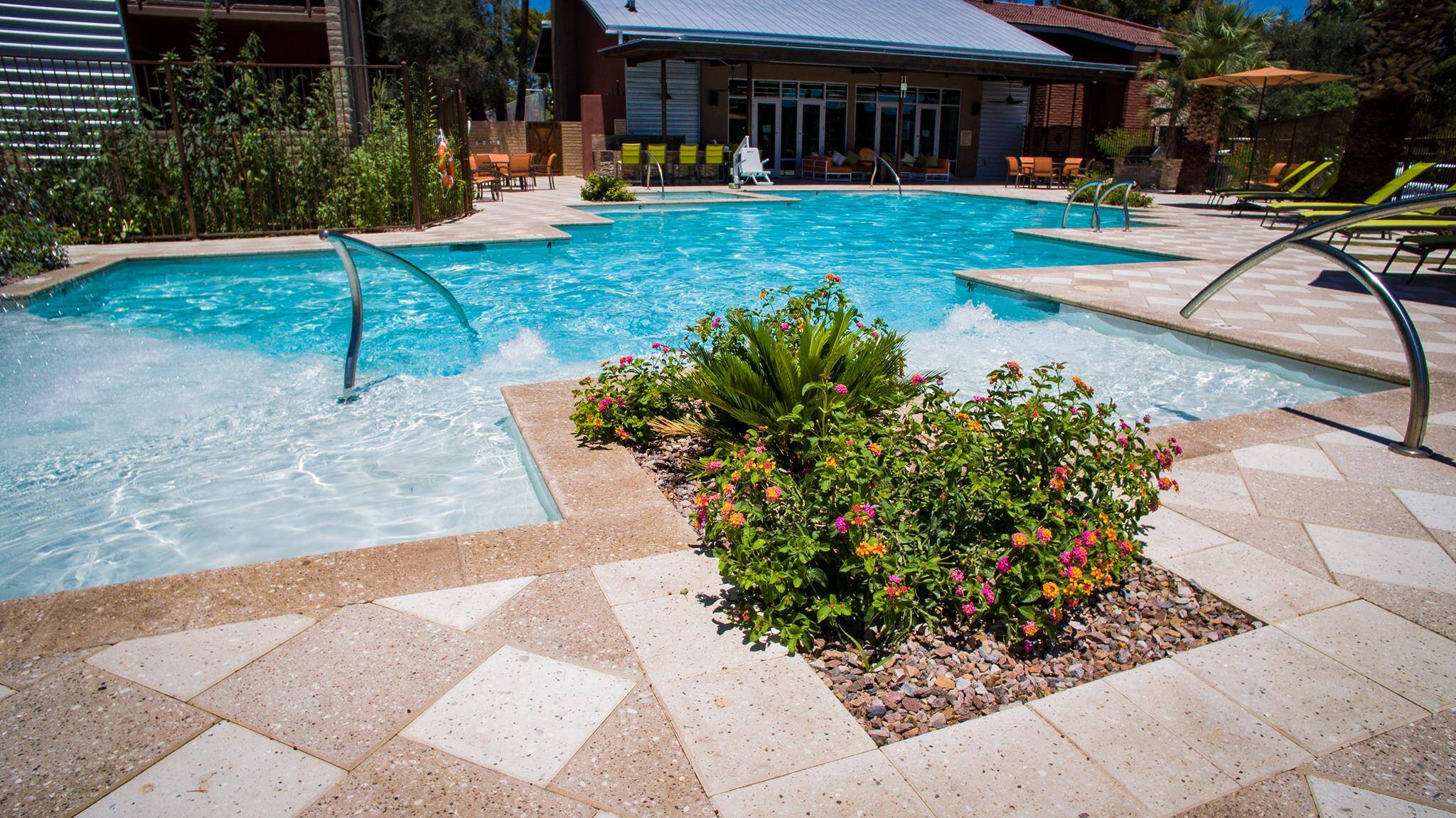
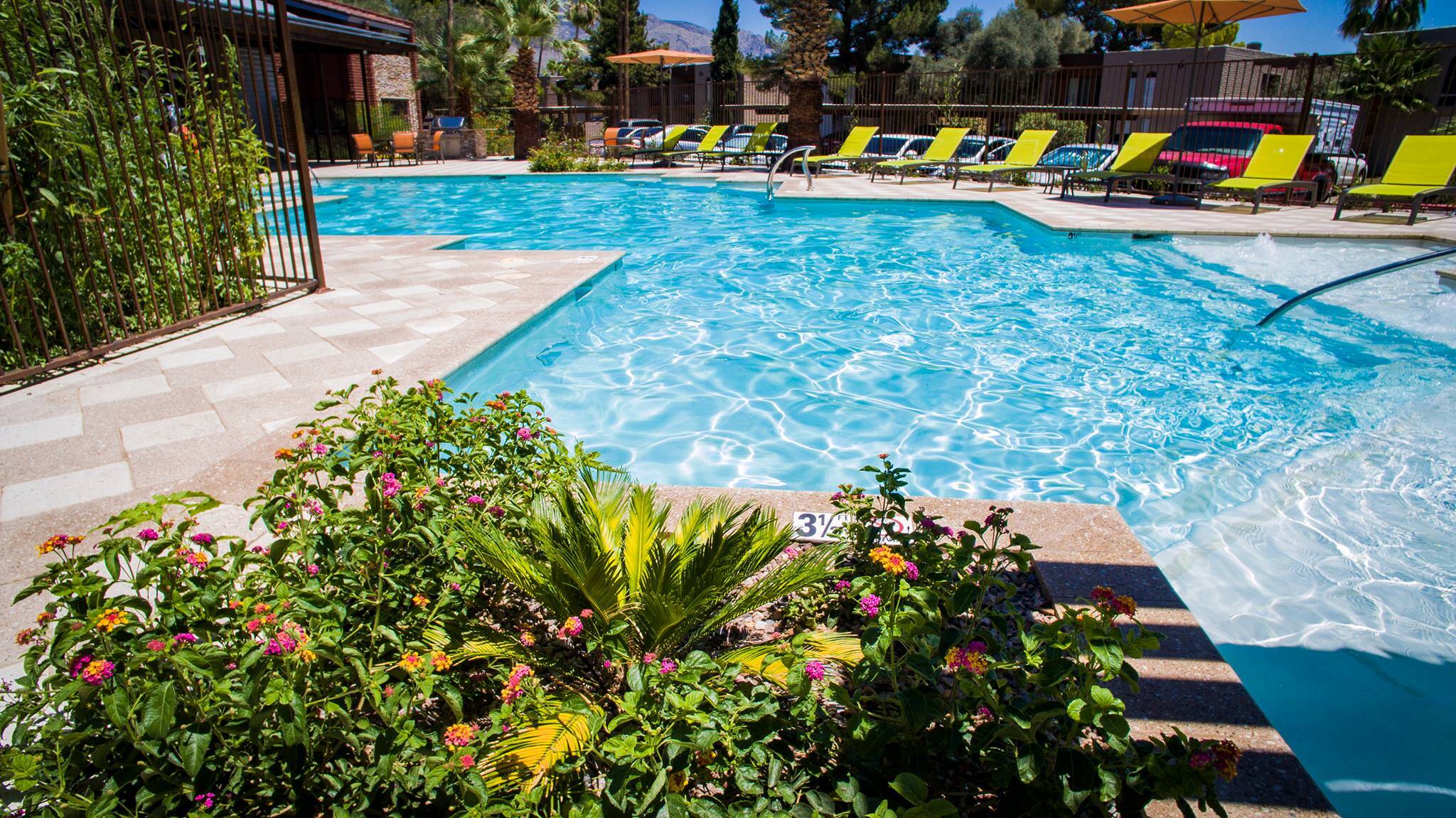
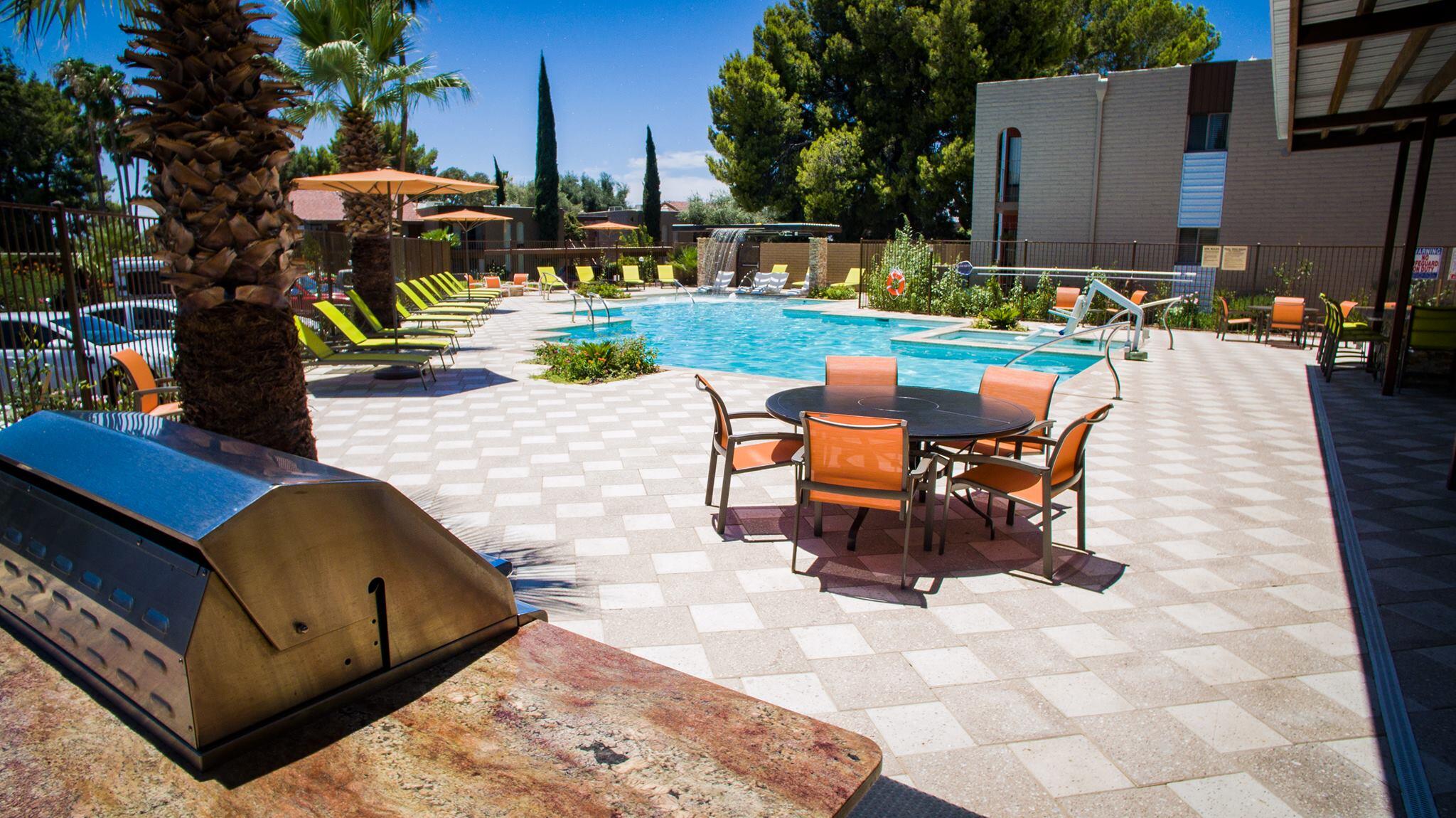
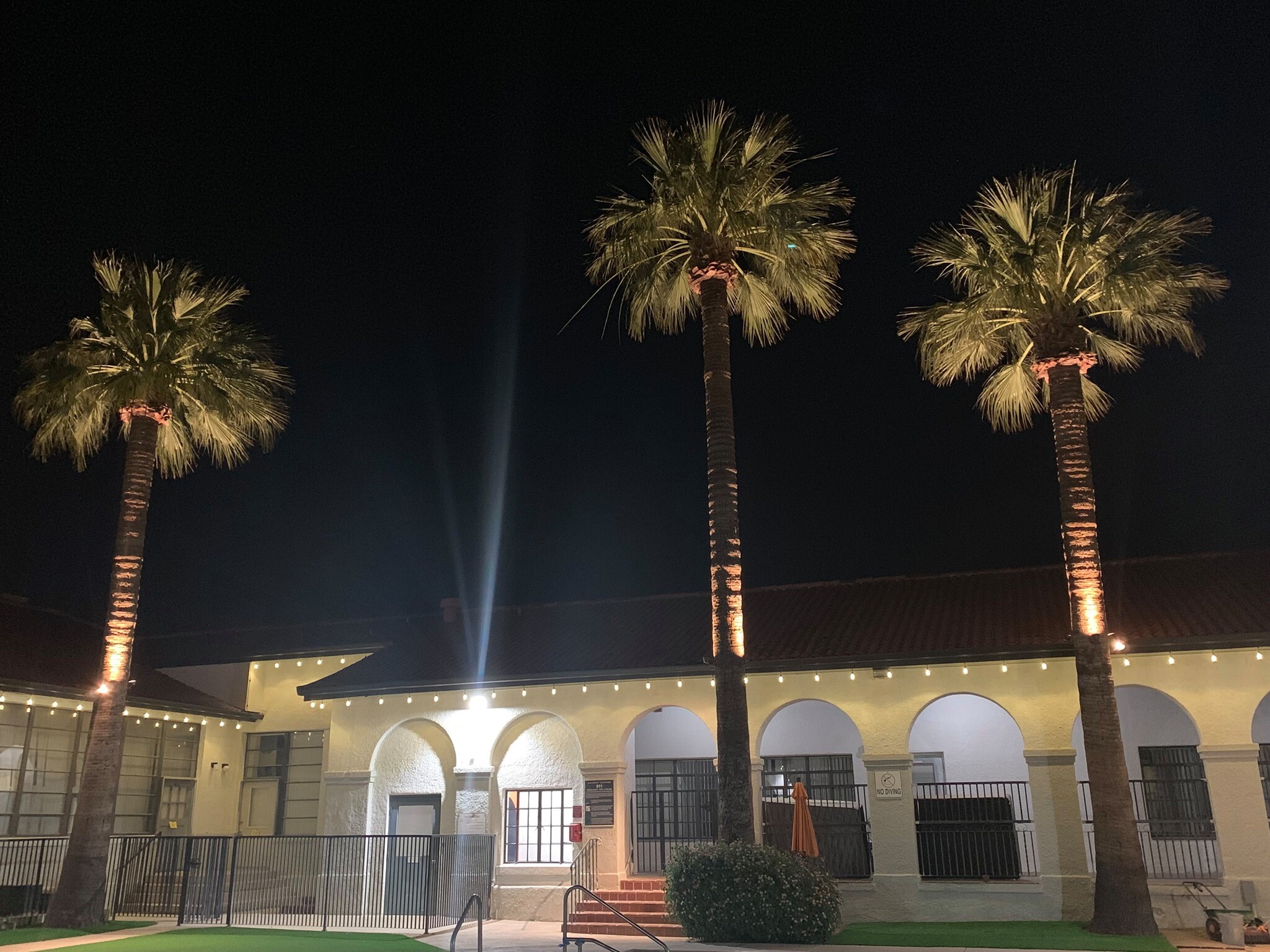
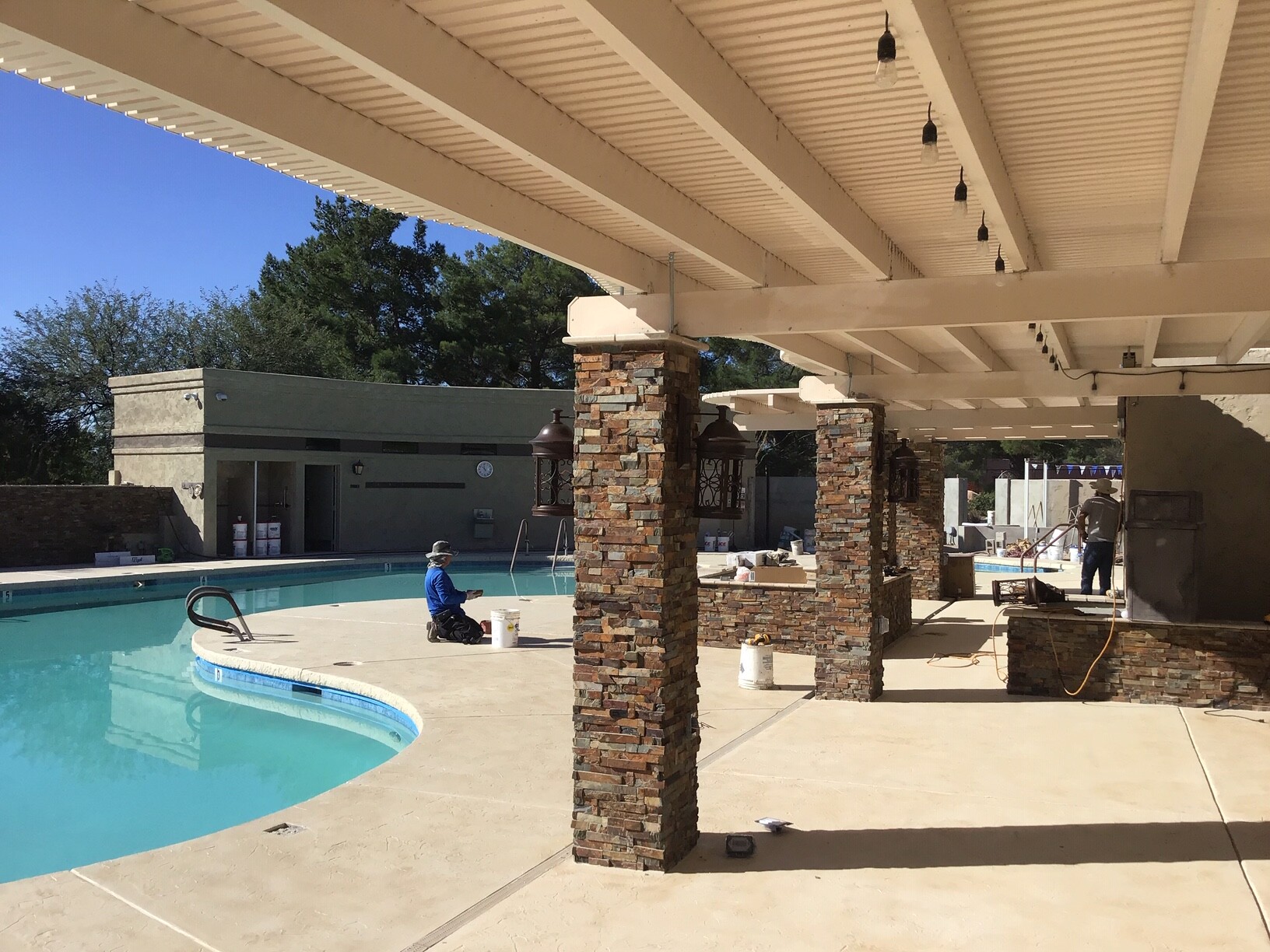
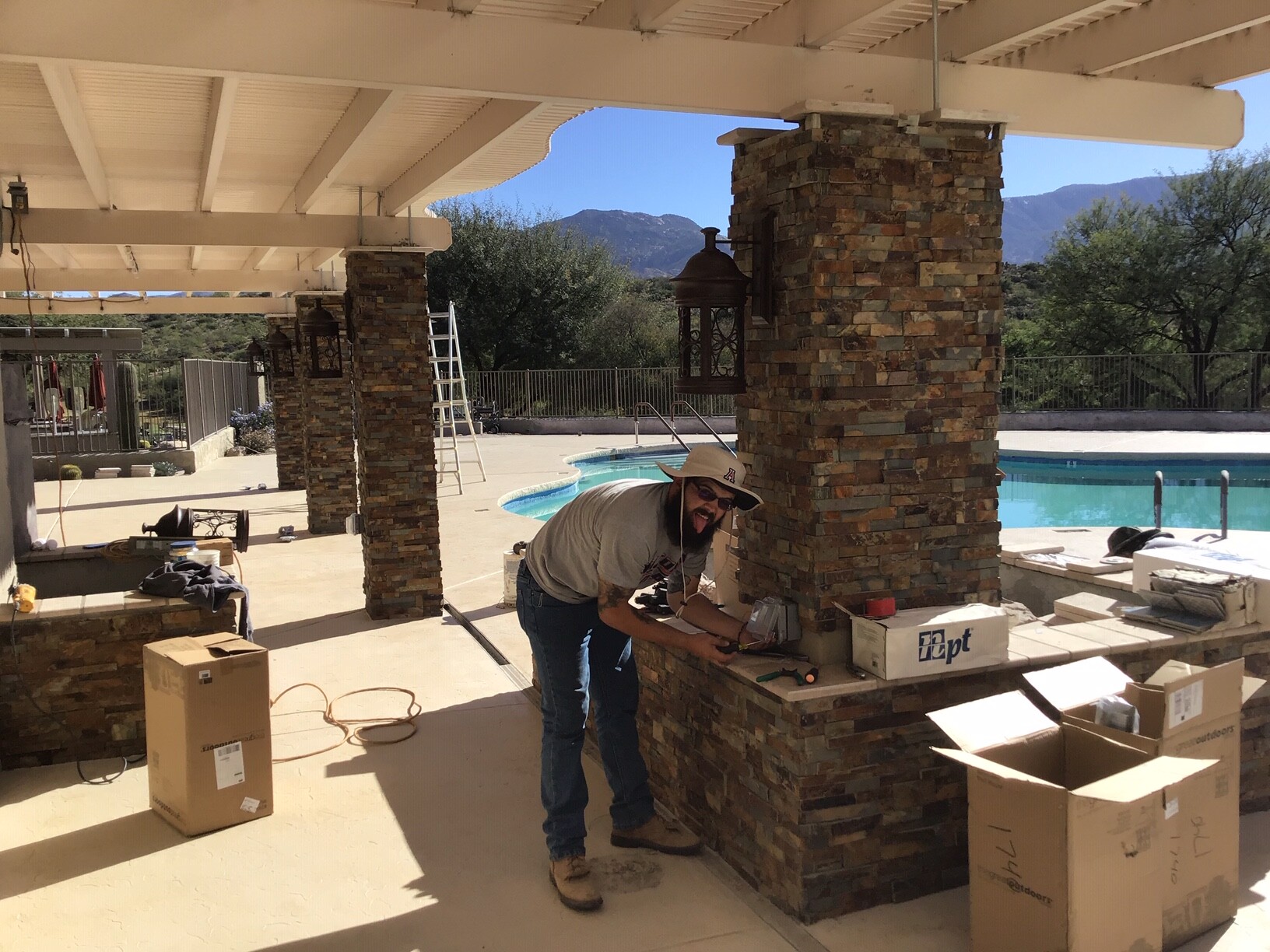
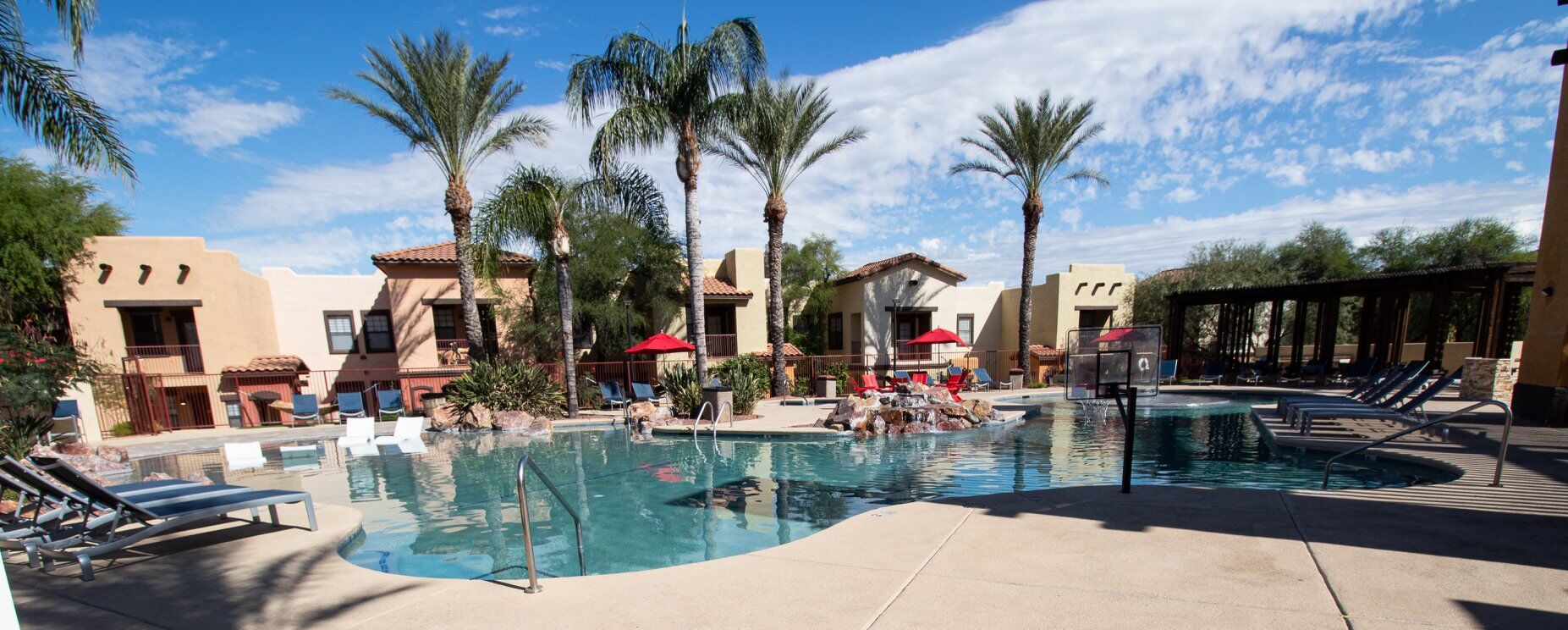
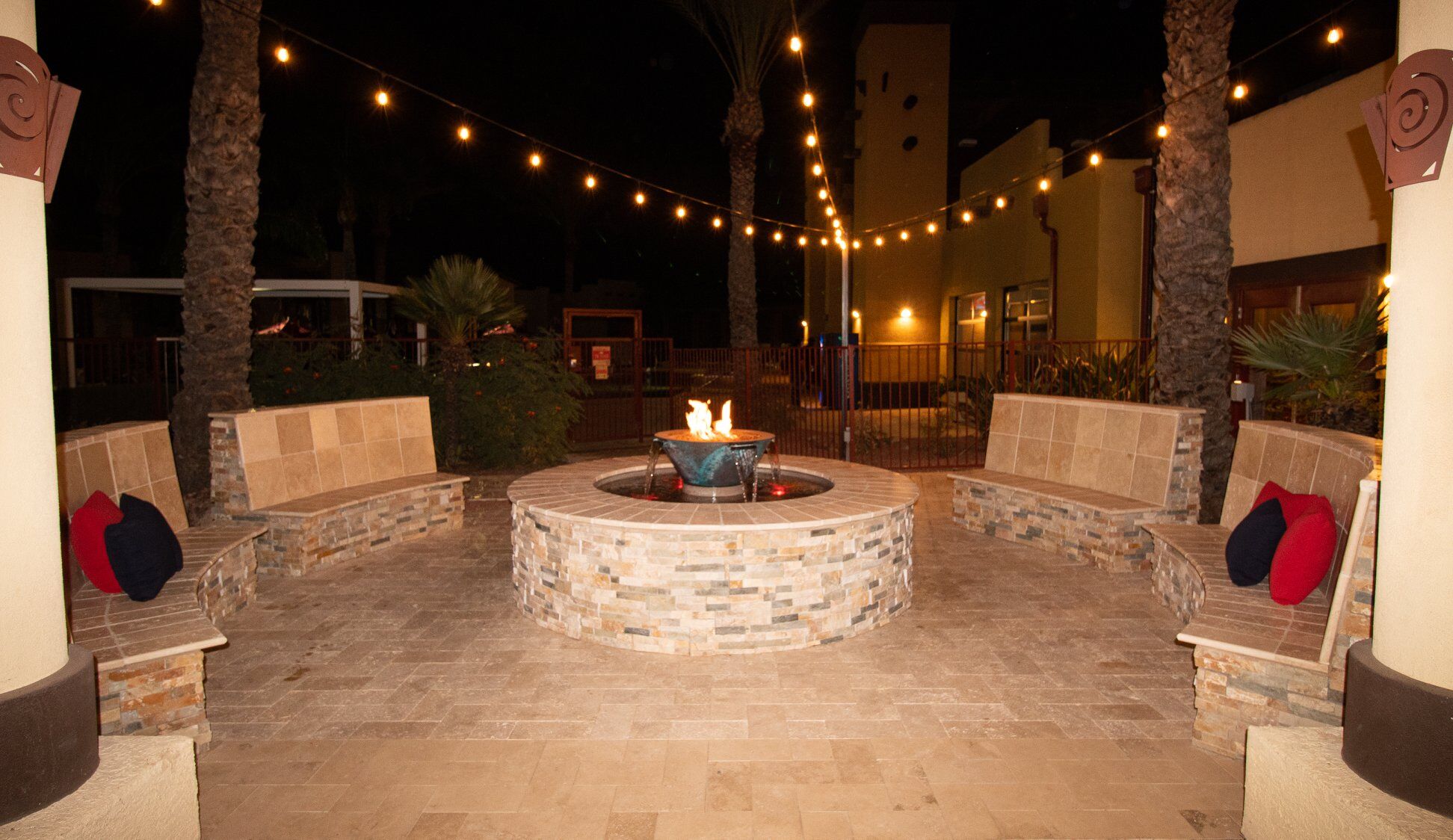
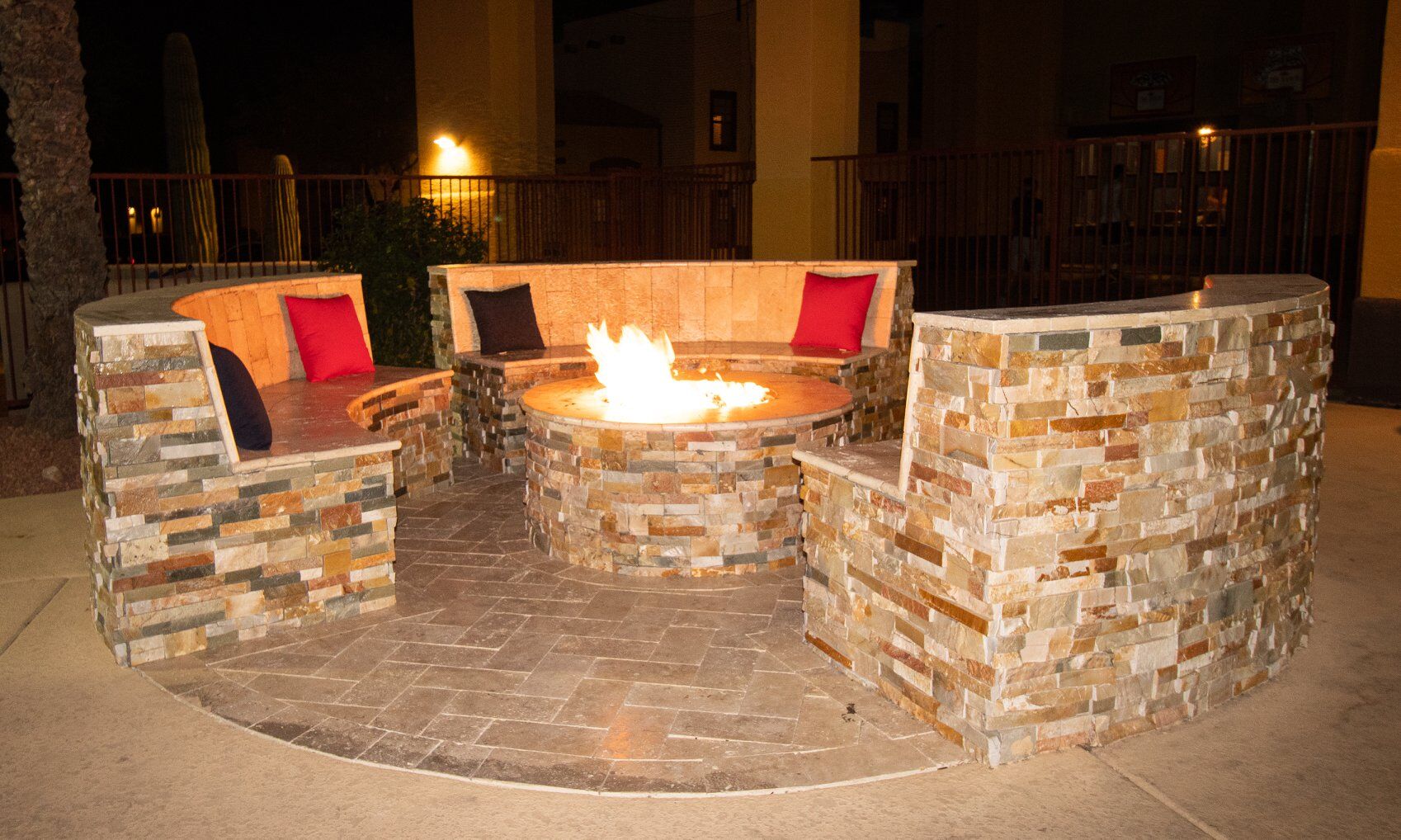
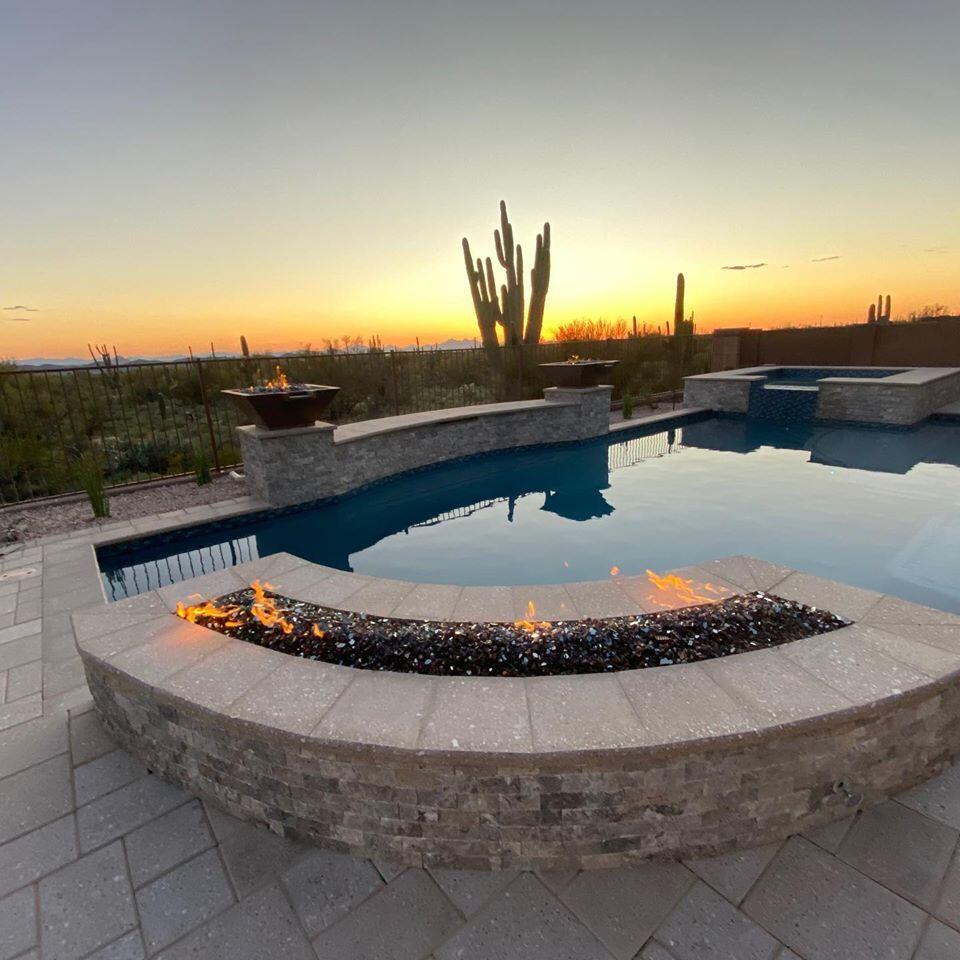
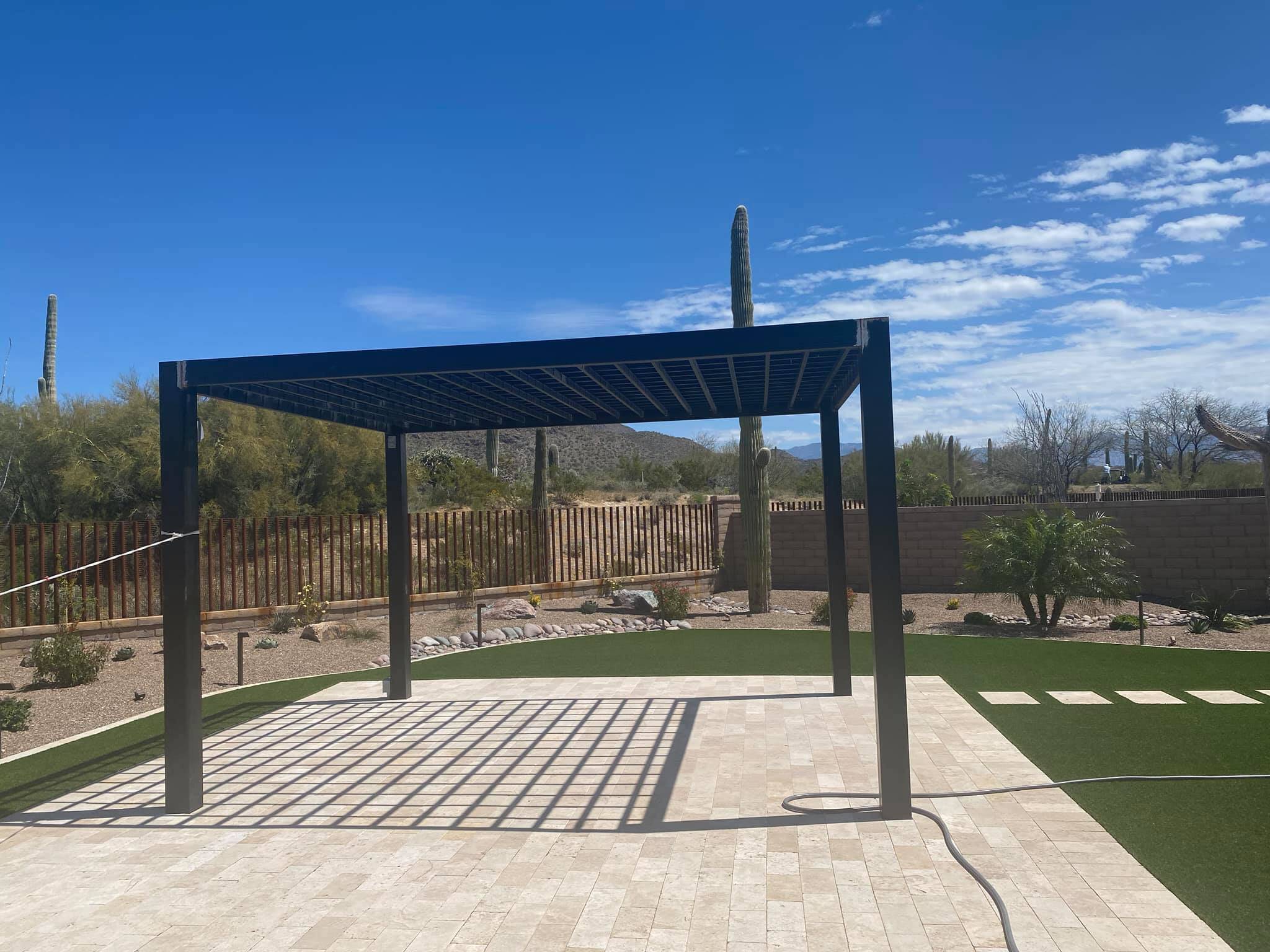
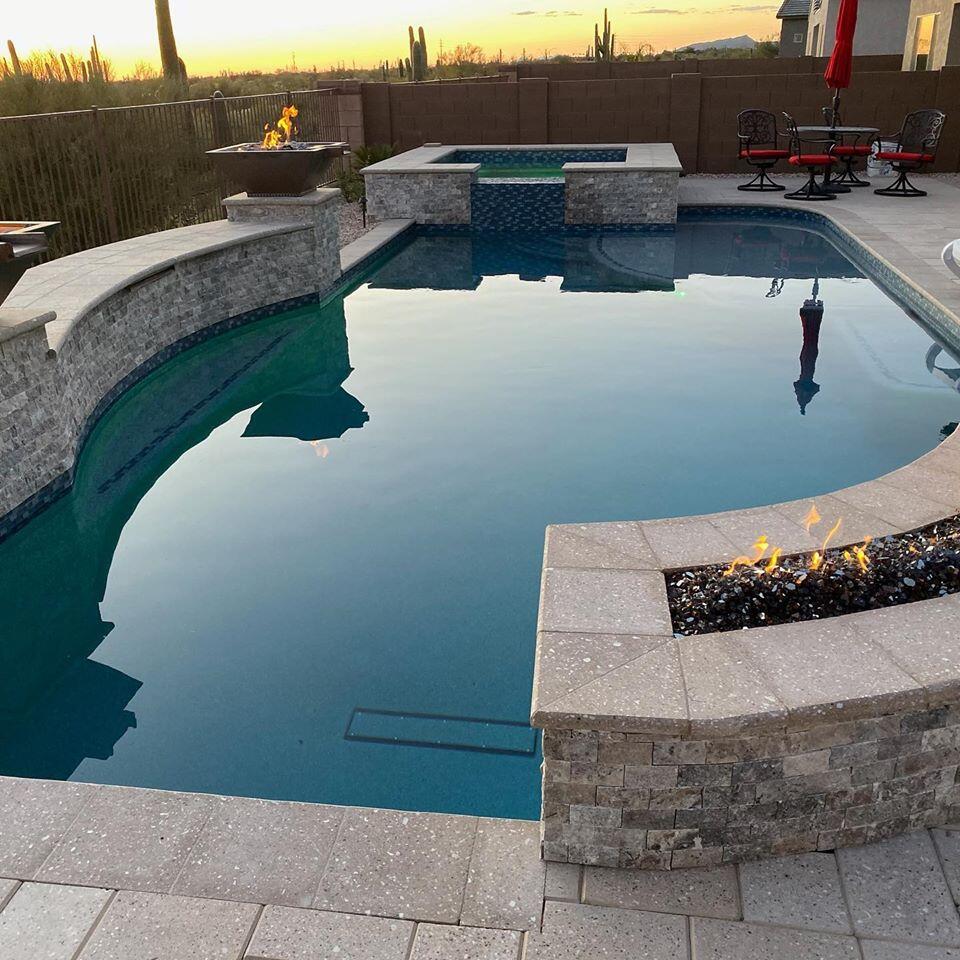
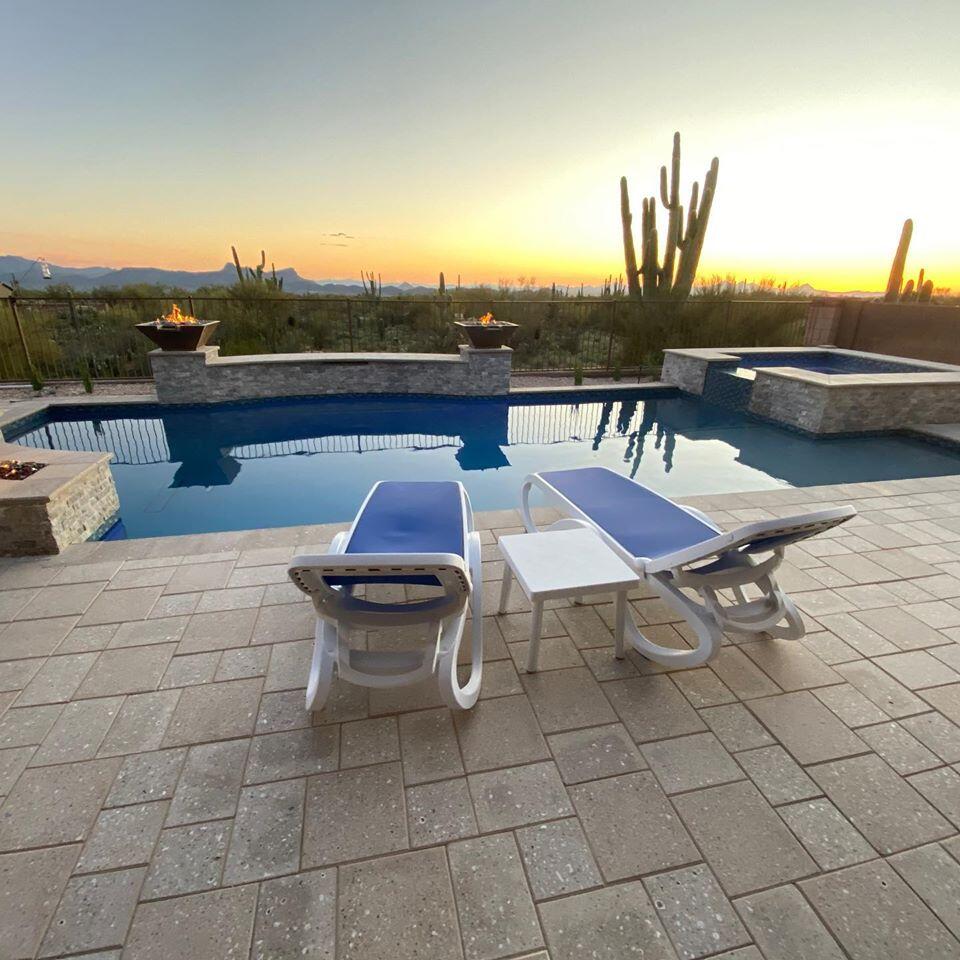
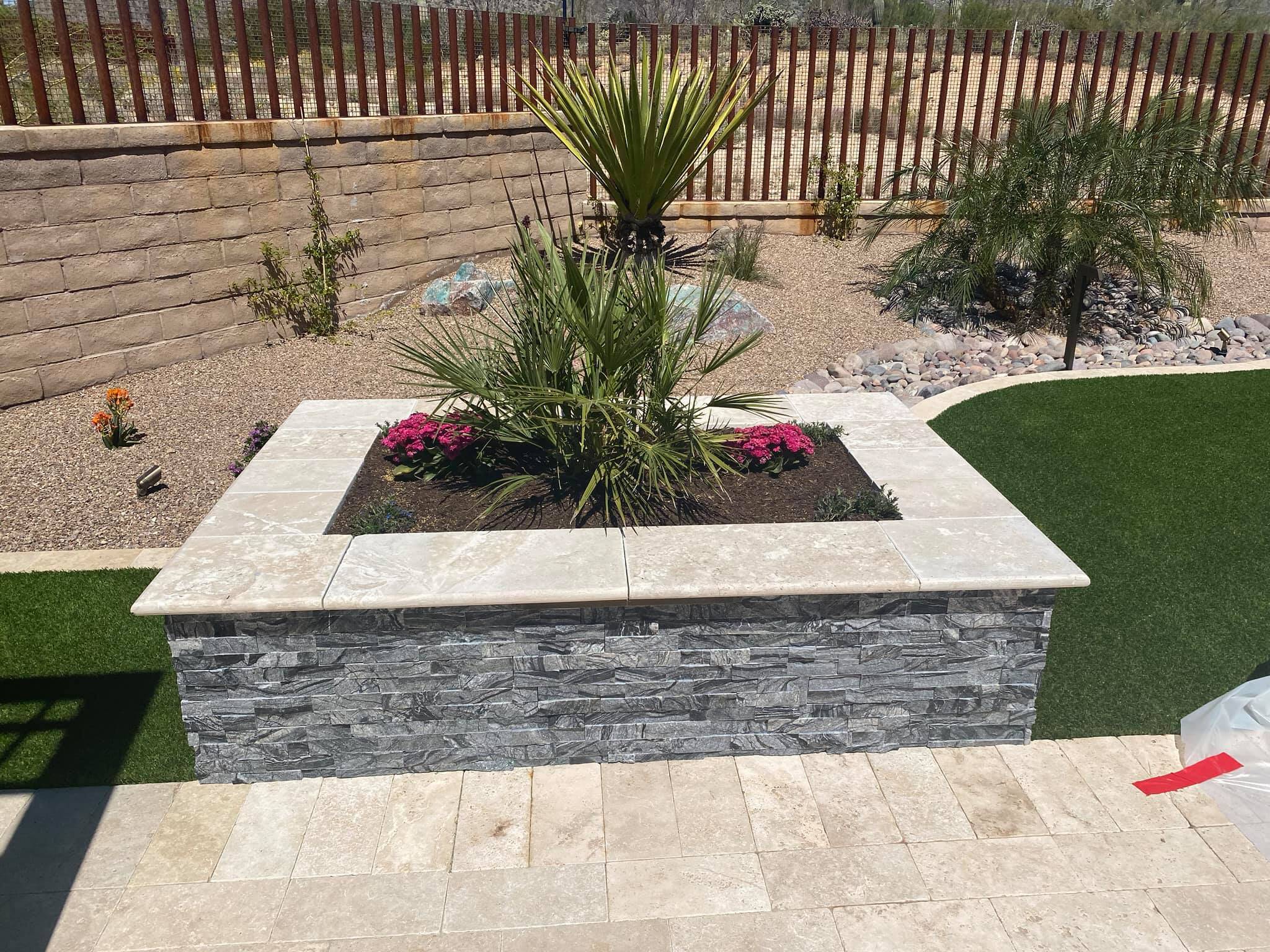
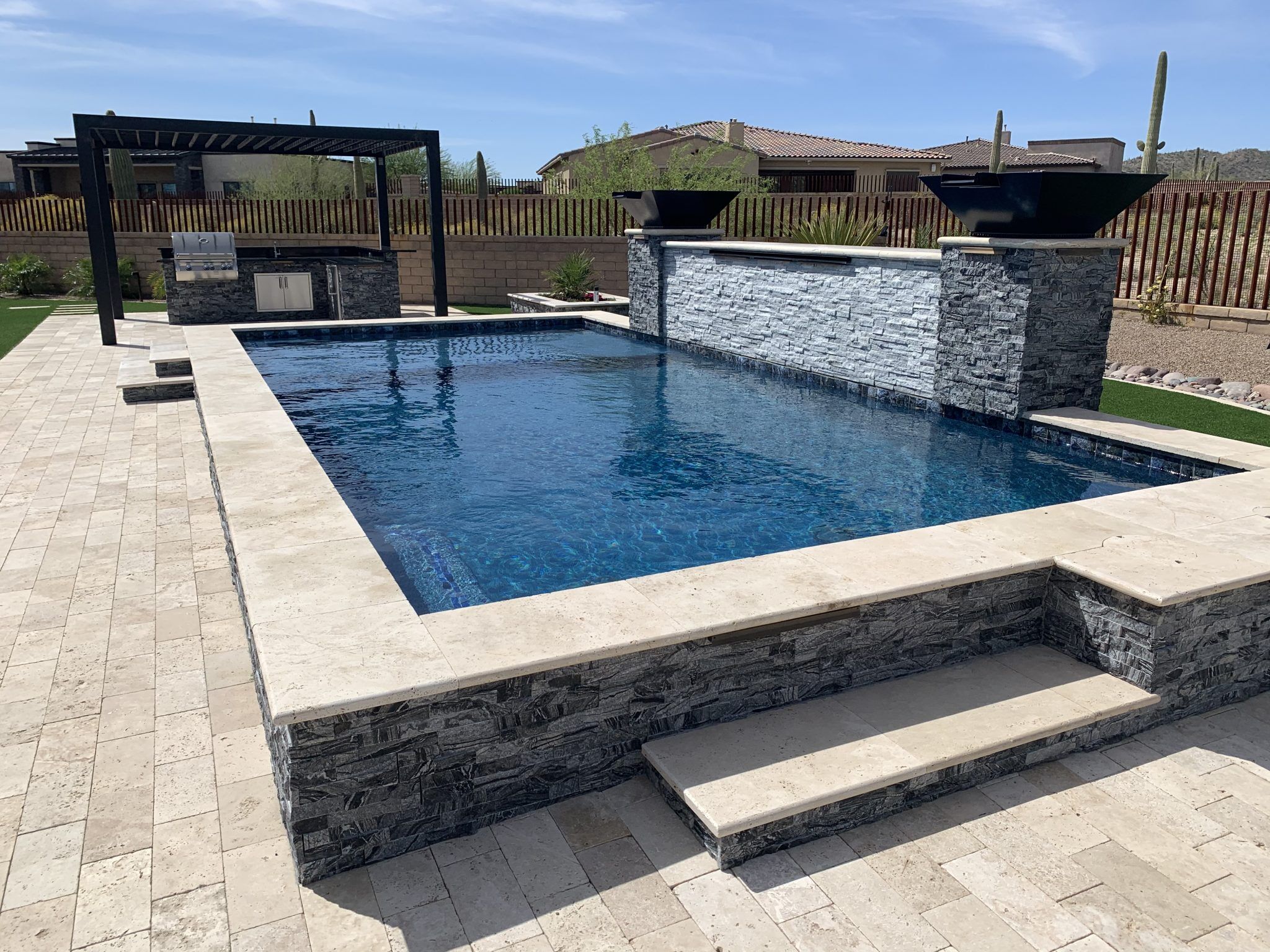
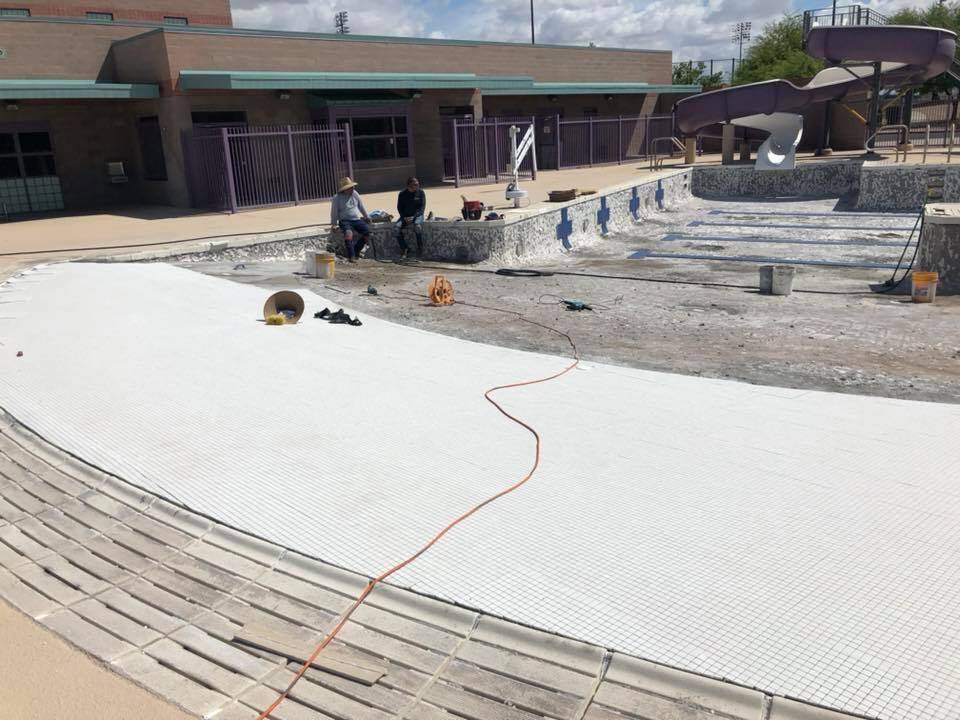
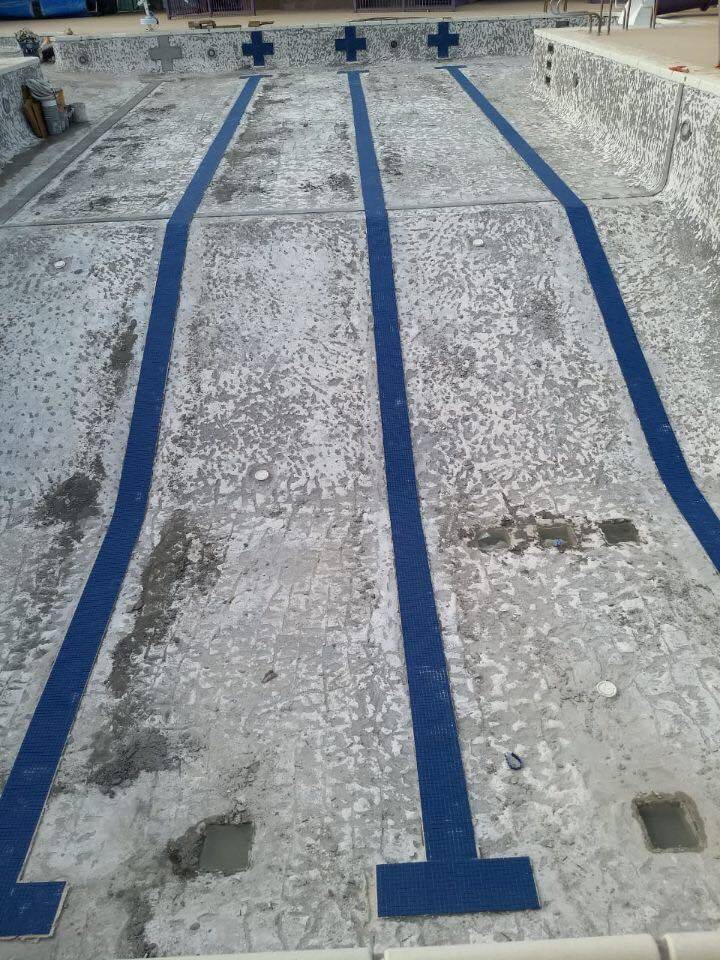
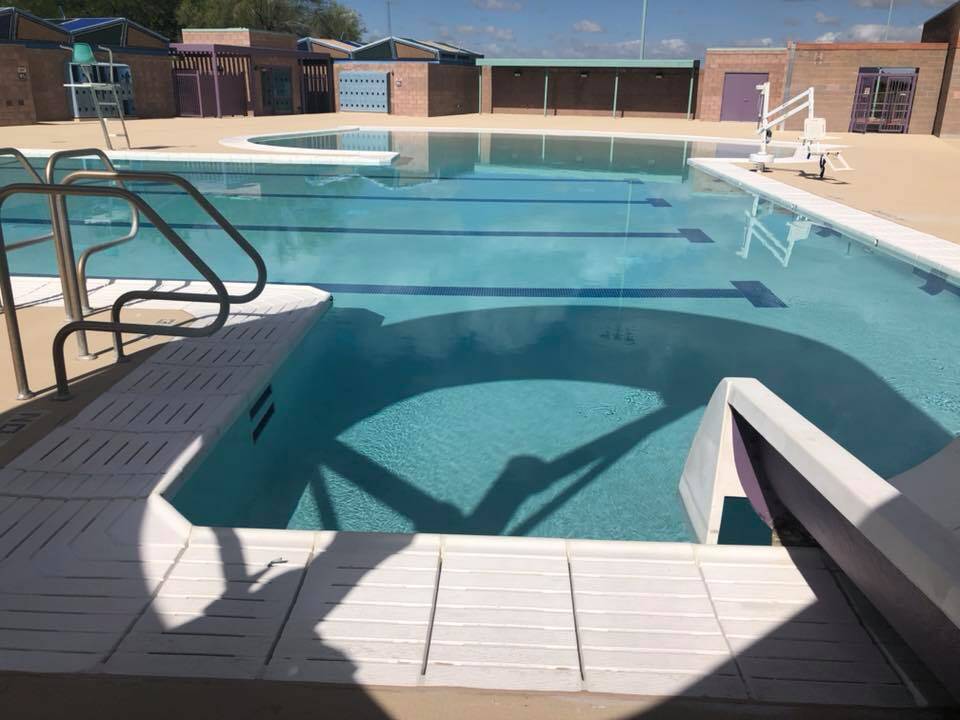
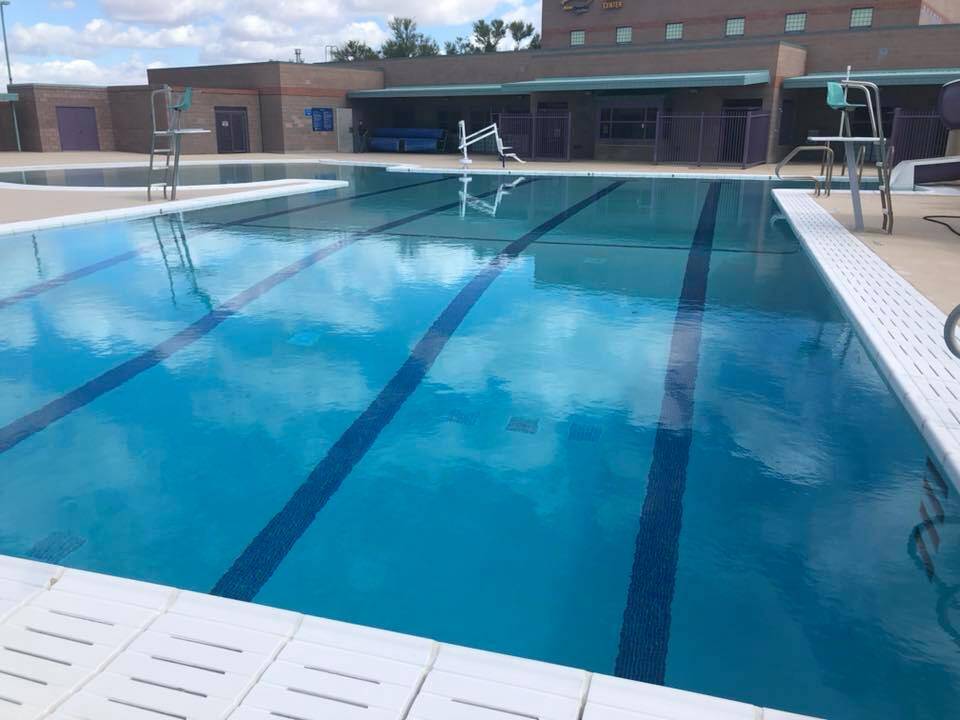
Omni Pool Builders have years of experience and can accomplish any task, large or small, in the creation or re-creation of your desired swimming pool. Commercial pools are designed in a multitude of ways, as shown in our photo gallery. The commercial pool building may take some additional time, although they are just as professionally built. You can hire us to design the commercial project or hire a pool design firm that specializes in commercial pool construction. Possible suggestion, Aqua Design International is a local Tucson firm that designs commercial pools throughout the world.
Renovation Work Includes:

New Construction Work Includes:
Still thinking about it? We are your top-rated Commercial Pool Expert in Tucson, AZ, and want to extend you these special offers!
Design
Unlimited revisions of your 3D model
On Site
We will provide you with on-site support during your project
Light Upgrade
Upgraded light system in selected pool/spa packages
Why Omni Pool Builders? Here is Our Promise to Tucson, AZ Customers
Value
You will get the most value from your pool dollars
Communication
We will be in communication with you throughout the process.
Accountability
You can count on us to know the status of your project from begining to end.
Reliable
You can count on us to deliver on your project.



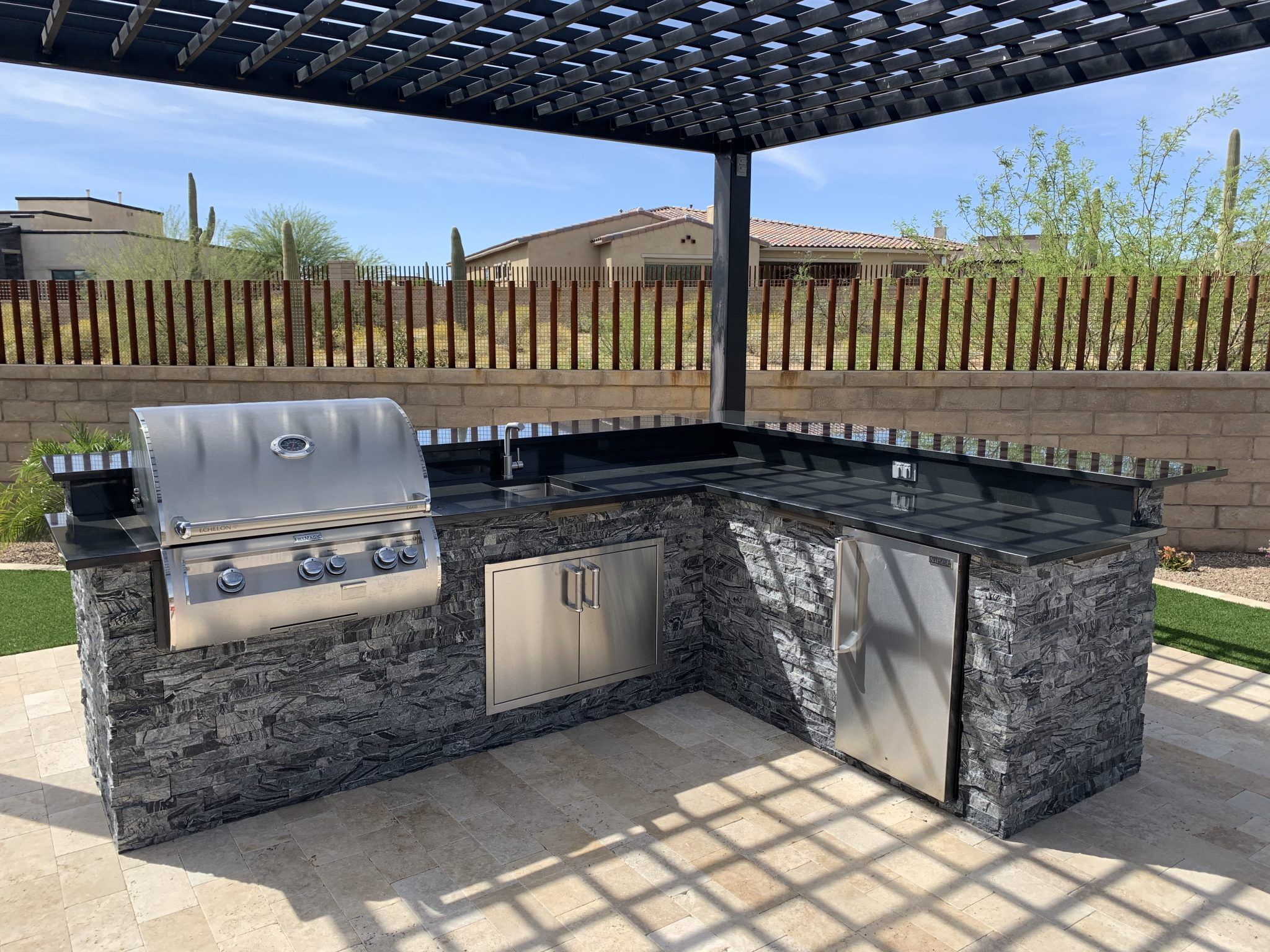
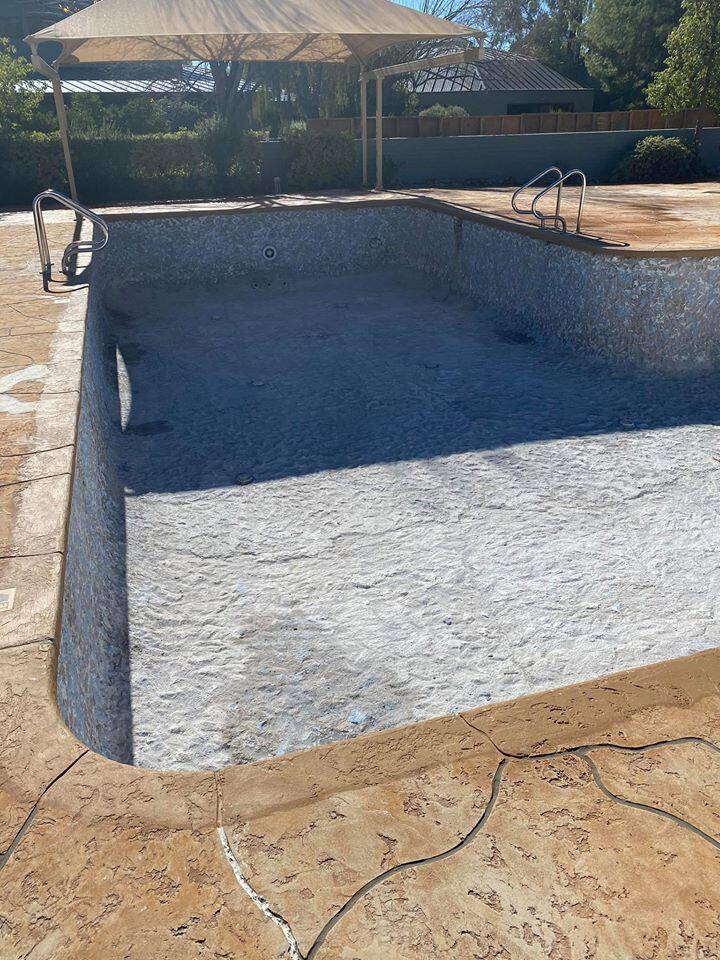
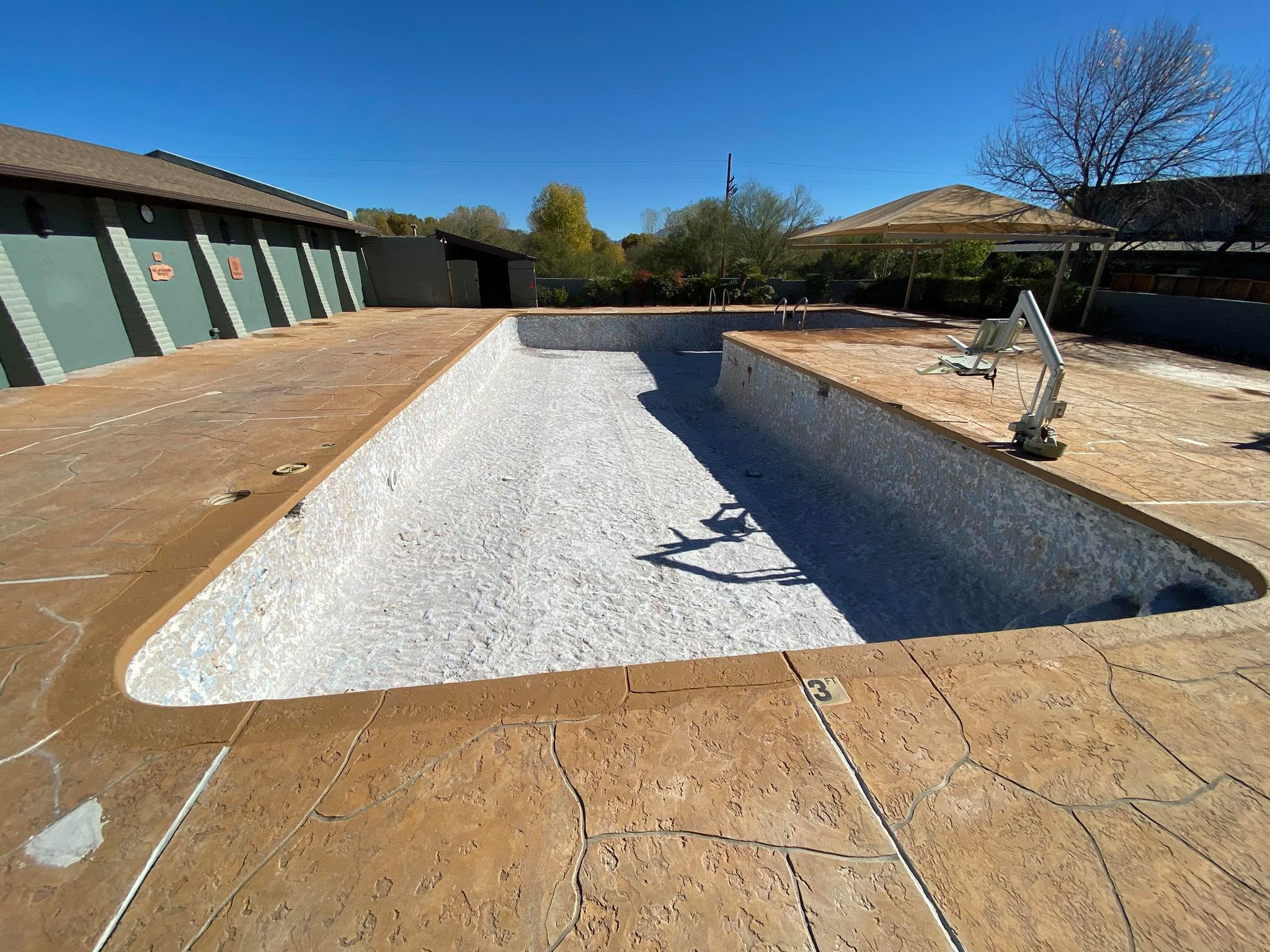

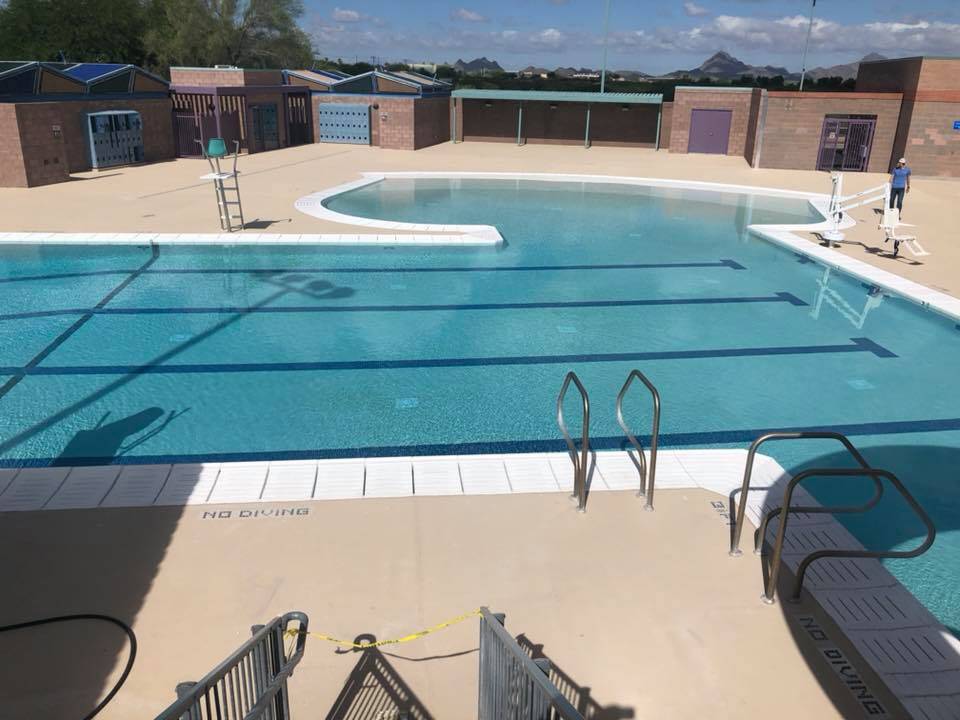
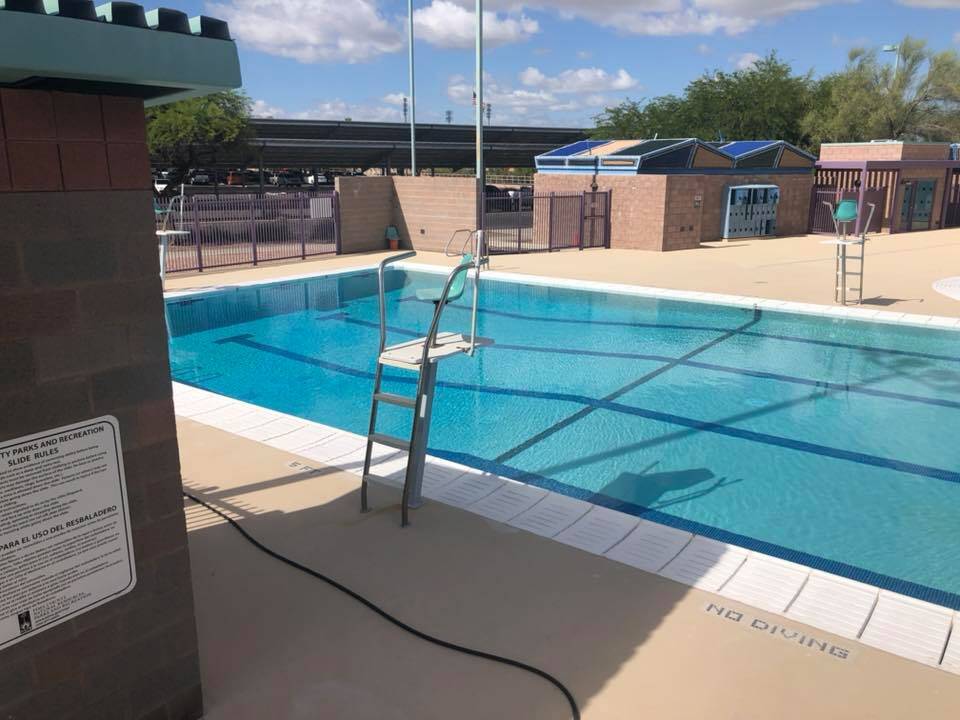
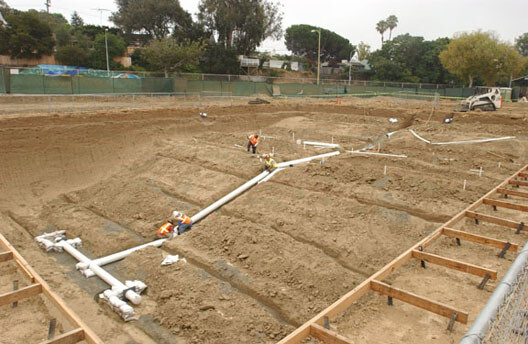
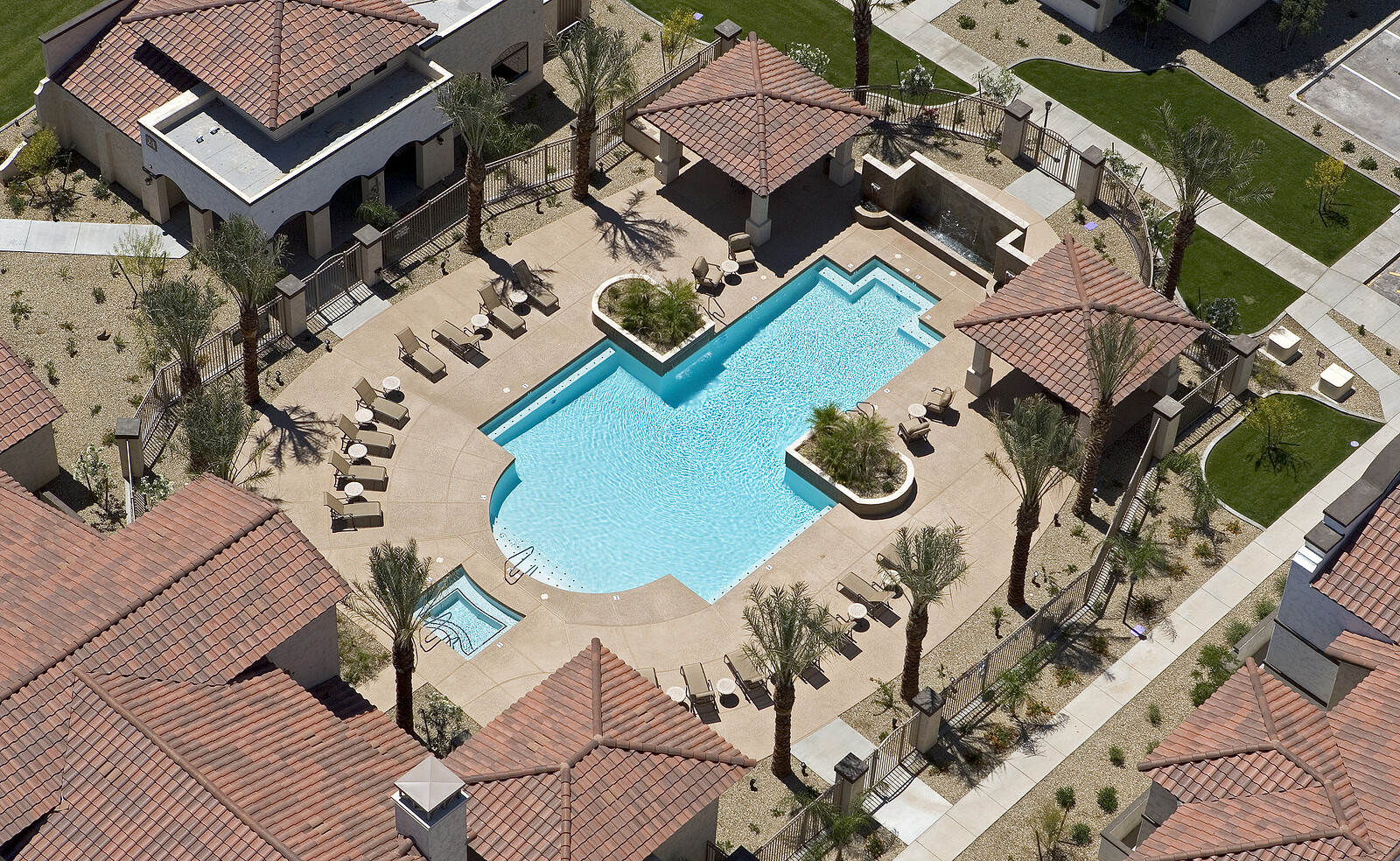
Your Trusted Tucson Commercial Pool specialists
We are headquartered in Tucson, AZ, and are your preferred Commercial Pool specialists in Tucson and surrounding areas.
Frequently Asked Questions
Let’s Get This Show on the Road
Ready to create your dream pool? Complete and submit the Pool Interest Form and we will get back to you as soon as we can!
Pool Interest Form
Contact Omni Pool Builders Today
Contact Omni Pool Builders in Tucson, AZ, today to schedule a consultation and learn more about our Commercial Pool solutions.
Who Arizona Allows to Design a Commercial Pool
Commercial and semi-public pools are not permitted the way a backyard pool is. Before construction or a major modification, plans go to the county for design approval, and the state rule names who may prepare them.
Arizona Administrative Code R18-5-203(D):
A professional engineer, architect, or a swimming pool or spa contractor with a current A-9, A-19, KA-5, KA-6 license shall prepare or supervise the preparation of all plans and specifications submitted to the Department for review.
That is a closed list of four contractor classifications, plus a professional engineer or architect. A residential pool classification is not on it.
Omni holds Arizona ROC KA-5, license 282151. The Registrar describes KA-5 as covering the scope of work permitted by the commercial A-9 Swimming Pools and the residential B-5 General Swimming Pool licenses. It is one of the four classes the rule names, which means we prepare and submit our own design packages rather than routing them through someone else.
A second licensing limit that catches people on resurfacing
Arizona has separate classifications for building a pool and for servicing one. The commercial service and repair class is C-6, and the Registrar published scope for it states:
This classification does not allow the licensee to perform a complete replacement of plaster or pebble pool interiors and decks.
The residential service and repair class, R-6, carries the same exclusion. CR-6 is the two combined, so it carries it as well.
A complete interior replacement is exactly what a commercial resurface is. So a contractor holding only a service and repair classification is not licensed for a full commercial plaster or pebble replacement, even though resurfacing sounds like repair work. That work sits with the commercial construction classifications: A-9, A-19, KA-5 or KA-6.
You can check any of this before you accept a bid. The Arizona Registrar of Contractors publishes every license and its classification in its contractor search. Ask for the license number, look it up, and confirm the classification covers the scope you are buying.
Is Your Pool Regulated as Semi-Public?
Arizona defines a private residential pool narrowly. Under A.A.C. R18-5-201 it is a pool at a private residence used by the owner, family and invited guests, or one serving a housing group consisting of no more than three living units.
A semi-public pool is defined by the kind of establishment that operates it rather than by a unit count. The rule names hotels, motels, resorts, apartments, condominiums, townhouse complexes, trailer courts and mobile home parks, along with pools operated by a neighborhood or community association for residents and their guests, and pools at country clubs, health clubs and camps where running a pool is not the primary business.
Pima County puts it more plainly. PDEQ states that public and semipublic aquatic facilities are typically owned and operated by municipalities, hotels, apartment complexes, homeowner associations and schools, and that PDEQ is not responsible for private residential pools and spas.
This is where owners get surprised. A small HOA or a fourplex with a shared pool lands in the same regulatory category as a resort: design approval before construction, an annual operating license, and county inspections. If you are buying, managing or renovating a shared pool and nobody has raised design approval or an operating license, settle that before work starts rather than at final inspection.
Two Pima County Approvals, and the Order They Go In
Commercial and semi-public pool work in Pima County runs through two different agencies, and the sequence between them is where schedules break.
PDEQ handles construction
The Pima County Department of Environmental Quality states it is responsible for approving new and modified public and semipublic aquatic facilities, including pools, wading pools, special use pools, splash pads and spas. Plans are submitted through the county Accela Citizen Access portal under Building. State rule R18-5-203(E) requires the application at least 60 days before you intend to start construction.
Review runs in two stages. The PDEQ Approval to Construct application, citing A.A.C. R18-1-525, publishes the timeframes as 26 days for administrative completeness review and 26 days for substantive review, 52 overall, and defines a day as a business day excluding weekends and state holidays. On approval, PDEQ emails the notice and fees due, then releases the permit and approved plans once fees are paid.
Design approval does not last indefinitely. Under R18-5-203(H) it is void if construction does not begin within a year, or if work stops for more than a year.
PDEQ also inspects. Pre-gunite and final inspections are both required, with 72 hours notice to schedule either one. PDEQ guidance suggests booking the final seven days before a grand opening, and the final requires utilities connected and key equipment running. The pre-gunite checklist is specific: drain count against the approved plan, skimmer count, safety vacuum release, bonding, pipe sizes, and the system pressurized to 25 psi for 30 minutes.
The Health Department handles operation
Pima County Health Department, Consumer Health and Food Safety, issues the annual operating license. This is the step that catches people, because PDEQ instructions state the operating license must be obtained before the pool or spa final inspection and before the pool is put into operation. The license is not the last box you tick. It comes before the final.
Published county fees: plan review and remodel $66, each construction inspection $56, and the annual operating permit $140 for a semi-public facility, $235 for an athletic or health club facility, $320 for a public facility. A straightforward semi-public renovation with a pre-gunite and a final therefore runs about $178 in review and inspection fees, separate from the annual permit.
CHFS also inspects on an ongoing basis. Their published schedule is annual inspections for semi-public pools and monthly for public pools, with larger or high-use facilities inspected more often during peak season.
PDEQ Engineering Review: 520-724-6490. PDEQ Water Program scheduling: 520-724-7400. Pima County CHFS: 520-724-7908.
Which Renovations Need Design Approval
A.A.C. R18-5-203(A)(2) defines a major modification as a change to the shape, depth, water circulation system, or disinfection system of a public or semipublic swimming pool or spa, or the installation of diving equipment. That is a closed list, and on its face a lot of renovation work sits outside it.
- Replace the recirculation system, pump or filter, or re-route piping: inside the list, design approval required
- Change depth: inside the list, design approval required
- Change the disinfection system, for example gas chlorine to salt or UV: inside the list, design approval required
- Relocate or replumb main drains: inside the list, design approval required
- Add or alter a barrier: outside the list, but barrier rules still apply and a building permit may be required
- Resurface only, with no change to shape, depth, circulation or disinfection: outside the list as written, see below
The honest version of the resurfacing question
Nothing PDEQ publishes addresses resurfacing, replastering or repair by name. Their final inspection checklist, however, states that any changes to the operation or remodeling must be approved by PDEQ. That language is broader than the closed list in the rule, and the two do not obviously line up.
We do not resolve that by guessing. On any scope near the line we call PDEQ Engineering Review before the proposal goes out, because the answer moves a schedule by weeks and an owner should not find out at final inspection. If a contractor tells you flatly that a commercial resurface needs no county involvement, ask them which document says so.
Main Drains, and Why a Pre-1998 Pool Is the Expensive Surprise
Pima County published copy of A.A.C. Title 18 Chapter 5 states that a public or semipublic swimming pool shall be equipped with at least two main drains located in the deepest part of the swimming pool, or a single gravity drain that discharges to a surge tank. R18-5-226 carries an effective date of February 19, 1998.
Pools built before that date are frequently single-drain, and a single main drain is the entrapment hazard the federal Pool and Spa Safety Act addresses. Arizona sets no state retrofit deadline, so the obligation is federal and it surfaces locally, at inspection.
For an owner that means a renovation on an older shared pool can expose a drain problem that was never a violation until someone opened a permit. Remedies range from adding a second main drain to a safety vacuum release system, a suction-limiting vent, gravity drainage, or automatic pump shutoff. Which one fits depends on the existing plumbing, and the cheap time to find out is during design.
PDEQ checks drain count against the approved plan at pre-gunite, and checks for safety vacuum release. This is not a detail that gets missed.
What the Health Department Can Shut Down
CHFS issues closure orders for what it describes as immediate threats, including cracked drain covers, failing self-latching gates, and other major safety violations.
Their published closure criteria also cover disinfectant or pH outside code, excessive turbidity, a missing ring buoy or shepherd crook at a semi-public pool, an inadequate or poorly repaired enclosure, a gate that is not self-closing and self-latching, an expired or absent license to operate, an expired or absent certified pool operator, and spa temperature above 104 degrees. Pima County Code 8.32 requires public and semi-public facilities to have a certified pool operator.
Enforcement got sharper recently. CHFS states that as part of its Aquatic Safety Education and Enforcement Enhancement Project, supported by the Consumer Product Safety Commission Pool Safely Grant Program, it has revised its inspection policies to align with the VGB Act and to strengthen barrier enforcement.
For an HOA or a property manager, the practical read is that the items most likely to close your pool are the cheapest ones to fix on a planned schedule: gate hardware, drain covers, enclosure repair, and keeping the operator certification current.